Understanding GHK-Cu Peptide: The Essentials
The world of skincare is evolving, with the introduction of innovative ingredients that promise to enhance skin health and appearance. One such compound that has drawn significant attention is the GHK-Cu peptide. This naturally occurring copper peptide has been extensively studied for its remarkable regenerative and protective properties. In this article, we will explore what GHK-Cu is, how it functions in skincare, and its myriad benefits for skin health.
What is GHK-Cu Peptide?
GHK-Cu, or Glycyl-L-Histidyl-L-Lysine Copper, is a small peptide that binds copper ions. It is found naturally in human plasma, particularly in tissues undergoing repair or regeneration. Discovered by Dr. Loren Pickart in the 1970s, GHK-Cu plays a crucial role in numerous biological processes, including wound healing, hair growth, and skin rejuvenation. Its ability to stimulate collagen production and skin repair has made it a popular ingredient in skincare products aimed at combating visible signs of aging.
Mechanisms of Action in Skincare
GHK-Cu exerts its effects through a variety of mechanisms. Primarily, it enhances wound healing by promoting the proliferation of fibroblasts, the cells responsible for collagen synthesis. Additionally, GHK-Cu has been shown to stimulate the production of glycosaminoglycans, vital for maintaining skin moisture and elasticity. Moreover, its anti-inflammatory properties help to reduce redness and irritation, making it suitable for sensitive skin types.
Benefits of GHK-Cu for Skin Health
The benefits of GHK-Cu in skincare extend beyond mere hydration and anti-aging effects. Some of the most notable advantages include:
- Collagen Production: GHK-Cu stimulates skin cells to produce collagen, improving skin firmness and reducing the appearance of fine lines and wrinkles.
- Skin Repair: Its regenerative properties facilitate faster healing of wounds and scars, enhancing overall skin texture.
- Anti-Aging Effects: By promoting cell turnover and collagen synthesis, GHK-Cu contributes to a more youthful appearance.
- Hair Growth: Research suggests GHK-Cu may also stimulate hair follicles, promoting hair growth and thickness.
- Antioxidant Protection: GHK-Cu helps shield the skin from oxidative stress, which can lead to premature aging.
Application Techniques for GHK-Cu Peptide
To maximize the benefits of GHK-Cu, it’s essential to understand how to apply it effectively. Different techniques can enhance its absorption and efficacy, allowing users to experience its full potential.
Topical Application Methods
GHK-Cu is predominantly used in topical formulations, including serums, creams, and gels. The best application methods involve:
- Clean Skin: Ensure the skin is clean and free of impurities before application to enhance absorption.
- Layering: Use GHK-Cu products after cleansing and before heavier moisturizers to ensure it penetrates the skin effectively.
- Massage: Gently massage the product into the skin to increase circulation and improve absorption.
Combining with Other Skincare Ingredients
For enhanced benefits, GHK-Cu can be combined with other active ingredients. For example:
- Hyaluronic Acid: When paired with hyaluronic acid, GHK-Cu can help lock in moisture while promoting skin elasticity.
- Vitamin C: Combining GHK-Cu with vitamin C may enhance collagen synthesis and provide antioxidant protection.
- Retinoids: Using GHK-Cu alongside retinoids can amplify anti-aging effects while reducing potential irritation caused by retinoids.
Frequency of Use for Optimal Results
For best results, GHK-Cu can be applied once or twice daily, depending on the formulation. Beginners may start with once daily to assess skin tolerance and gradually increase frequency as needed.
Comparative Analysis: GHK-Cu vs. Other Peptides
Navigating the landscape of peptides can be complex, but understanding the differences between GHK-Cu and other peptides is vital for making informed choices in skincare.
Key Differences with Other Copper Peptides
While other copper peptides exist, such as GHK and GHK-Cu 2+, GHK-Cu has unique properties that enhance its efficacy. Unlike other peptides, GHK-Cu has a proven ability to enhance fibroblast activity and collagen synthesis while also possessing anti-inflammatory effects.
GHK-Cu vs. Argireline: A Performance Overview
Both GHK-Cu and Argireline are popular in the anti-aging market, but they function differently. Argireline, a peptide that mimics the action of Botox, works by inhibiting muscle contractions, thus reducing wrinkle formation. In contrast, GHK-Cu primarily focuses on skin repair and collagen production.
Understanding Efficacy in Different Skin Types
GHK-Cu is generally safe for all skin types, including sensitive skin. Its anti-inflammatory properties make it particularly beneficial for those with reactive skin. However, individuals with specific allergies or sensitivities should perform a patch test before widespread use.
Real-World Success Stories
Numerous users have reported transformative results after incorporating GHK-Cu into their skincare routines, highlighting the peptide's growing reputation as a skin hero.
Case Studies: GHK-Cu in Clinical Trials
Research studies have documented the effectiveness of GHK-Cu in improving skin texture and reducing signs of aging. One notable clinical trial demonstrated a significant increase in collagen production among participants using GHK-Cu for 12 weeks, leading to improved skin elasticity and firmness.
Testimonials from Skincare Enthusiasts
Many skincare enthusiasts rave about the visible results they've experienced from GHK-Cu. Users frequently note smoother skin textures, reduced wrinkles, and overall improved skin tone.
Before and After Results: Insightful Comparisons
Before and after photographs from users provide compelling evidence of GHK-Cu's effectiveness. Many individuals report noticeable improvements in skin clarity and firmness within just a few weeks of consistent use.
Future Trends in GHK-Cu Peptide Research
As research into GHK-Cu continues to evolve, exciting possibilities emerge for its applications beyond skincare.
Emerging Applications Beyond Skincare
The potential for GHK-Cu extends into other fields, including hair restoration and wound healing. Its ability to stimulate cell growth could see it used in medical applications, such as regenerative medicine.
Predictions for GHK-Cu Research in 2026
Experts predict that by 2026, GHK-Cu will be at the forefront of skincare and healing science, with new formulations emerging that harness its properties more effectively than ever.
Potential Innovations in Formulation Techniques
Future innovations may include transdermal delivery systems that maximize GHK-Cu's absorption and efficacy, making it more accessible to users in a variety of formulations.
What does the GHK-Cu peptide do for you?
Ultimately, GHK-Cu peptide works by promoting skin healing, improving elasticity, and reducing signs of aging. Its multifaceted approach to skin health makes it a valuable addition to any skincare regime.
Is it safe to inject GHK-Cu every day?
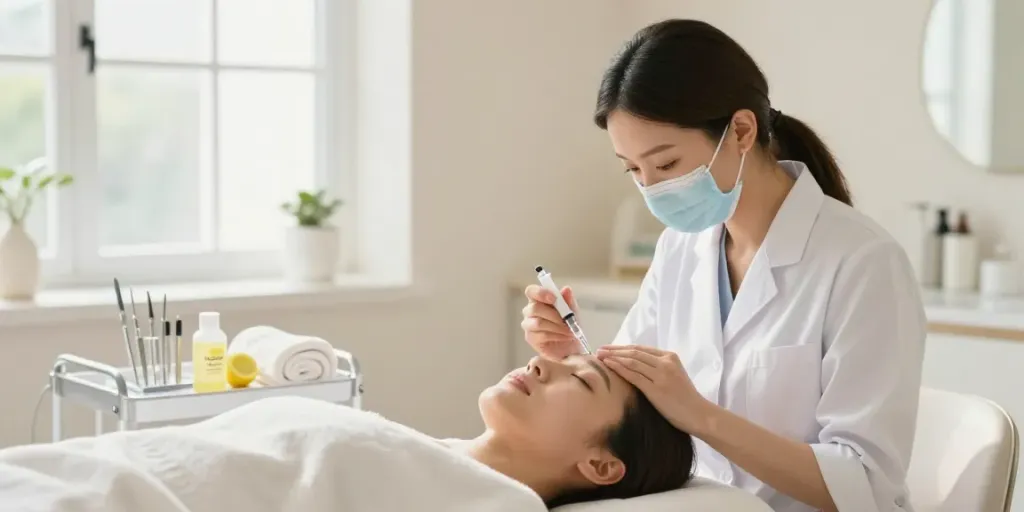
While many users opt for topical applications, injectable GHK-Cu should only be administered under medical supervision, and daily injections are not generally recommended without professional guidance.
What are the negative side effects of GHK-Cu?
GHK-Cu is generally well-tolerated; however, some users may experience minor irritation or allergic reactions. It's advisable to perform a patch test prior to wider application, especially for sensitive skin.
Does GHK-Cu copper peptide actually work?
Numerous studies and user testimonials support the efficacy of GHK-Cu in enhancing skin health, thus confirming its reputation as a valuable skincare ingredient.