Introduction to Telehandler
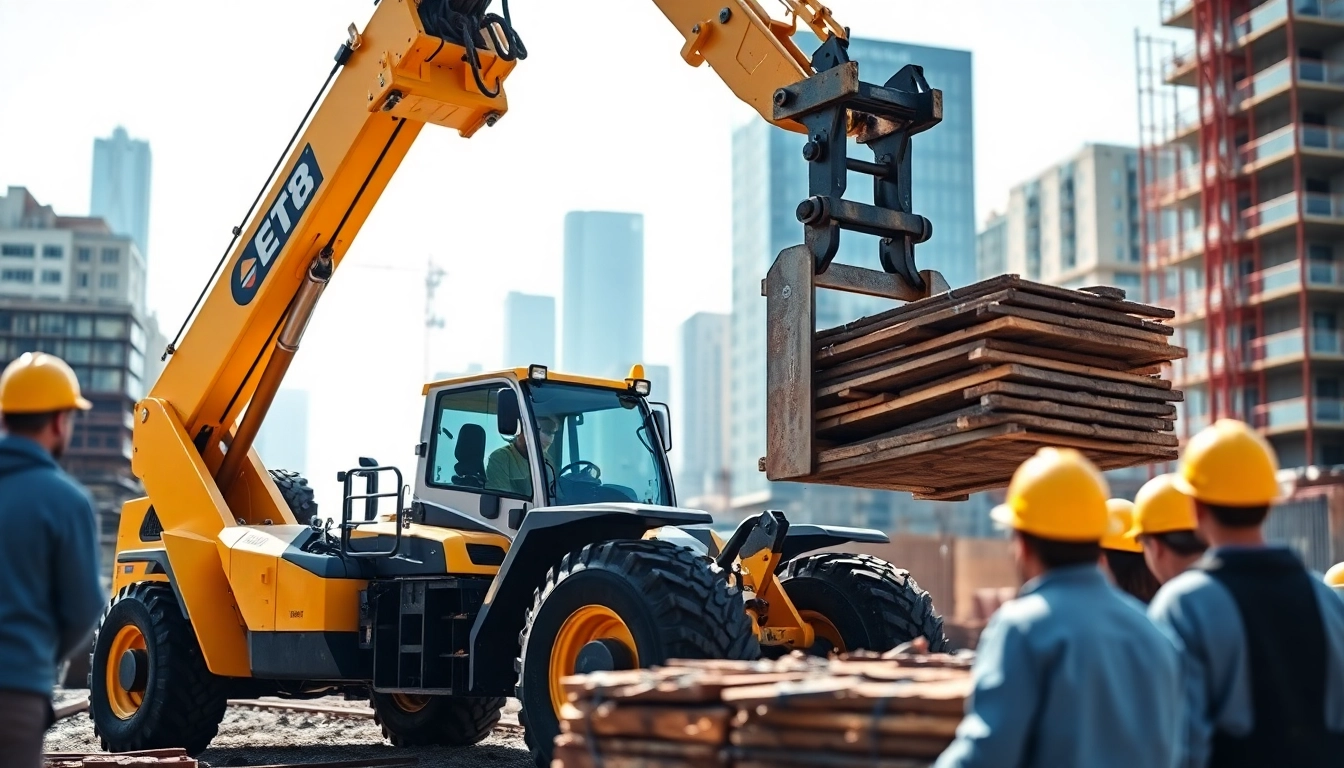
The telehandler, also known as a telescopic handler, is an invaluable piece of equipment in the construction, agriculture, and landscaping industries. Designed with versatility in mind, this machine combines the features of a forklift, crane, and aerial lift to move materials in various settings. Whether constructing a building, transporting heavy loads, or reaching high places, telehandler provides the essential functionality required to accomplish tasks efficiently and safely.
Definition and Purpose
A telehandler is a type of industrial machine that resembles a forklift but has an extending arm, or boom, which allows it to reach much higher and farther than traditional forklifts. The primary purpose of a telehandler is to lift, carry, and position loads often in tight or rough terrain access areas, making it ideal for construction sites and farms. Its versatility stems from the attachment options available, allowing it to perform various tasks from lifting heavy pallets to handling materials in challenging environments.
Key Features of a Telehandler
- Extendable Boom: The hallmark feature that distinguishes telehandlers is their extendable boom, which can stretch several feet and articulate to reach high places or past obstacles.
- Load Capacity: Telehandlers come in various sizes, offering different load capacities that can range from 4,000 to over 12,000 pounds, making it adaptable for light to heavy-duty work.
- Versatile Attachments: With a range of attachments available, including forks, buckets, and winches, telehandlers can be customized to suit specific tasks beyond merely lifting.
- All-Terrain Capability: Many telehandler models also feature rugged wheels and robust chassis designed for navigating uneven surfaces, enhancing usability in farmland and job sites alike.
- User-Friendly Control Interface: Most modern telehandlers are equipped with intuitive controls that streamline operation, lowering the learning curve for new users.
Advantages Over Other Equipment
Telehandlers offer several advantages over traditional equipment such as forklifts and cranes:
- Versatility: With the ability to switch out attachments, telehandlers can perform diverse tasks—from lifting and moving to excavation and loading—on a single machine.
- Increased Reach: Unlike standard forklifts, telehandlers can extend their reach both vertically and horizontally, making them suitable for a wider range of work environments.
- Mobility: Telehandlers have robust engines and can travel across various terrains, allowing them to get to hard-to-reach job sites that other equipment cannot access.
- Space Saving: A telehandler’s ability to handle multiple functions reduces the need for numerous machines, saving storage space and reducing operating costs.
Types of Telehandlers
Recognizing the different types of telehandlers is vital for selecting the right model for your specific needs. Each type offers unique features and advantages tailored to particular job requirements.
Standard Telehandler Models
Standard models are designed for general construction tasks and can handle a range of attachments. These telehandlers generally have a lifting capacity of 5,000 to 12,000 pounds and can extend reach up to 55 feet. They are equipped with robust engines, making them suitable for moving materials, lifting loads, and positioning items across construction sites.
Electric Telehandler Options
Electric telehandlers are increasingly popular for indoor applications or in environments where emissions need to be minimized. These models provide quieter operations and are more environmentally friendly. They have load capacities typically ranging from 4,000 to 8,000 pounds and are ideal for facilities needing clean machinery without sacrificing performance.
Rough Terrain Telehandlers
Rough terrain telehandlers are specifically designed to navigate rugged, uneven surfaces, such as construction sites or agricultural fields. They feature enhanced suspension systems and larger tires for better traction and stability. With a lifting capacity similar to standard models, they can reach substantial heights and help contractors transport materials in outdoor conditions.
How to Choose the Right Telehandler
Selecting the right telehandler involves careful consideration of various factors that align with the intended application and job site conditions. Here’s a comprehensive guide to making an informed choice.
Assessing Load Capacity
Understanding load capacity is critical when choosing a telehandler. It’s important to analyze both the maximum weight of materials that need to be lifted and the reach required. Choose a model that not only meets these demands but also offers a safety margin to account for operational dynamics and potential movement during lifting.
Importance of Reach and Height
The required reach and lift height can vary greatly depending on the tasks at hand. Be sure to measure the maximum height and distance you need to move materials or carry loads. Selecting a telehandler with a sufficient extendable boom ensures that you can safely complete jobs without the risk of obstruction or strain on the machine.
Consideration of Site Conditions
Understanding your job site's conditions is vital to selecting a suitable telehandler. If working on uneven terrain or in adverse weather, a rough terrain telehandler may be the most appropriate option. For indoor environments, consider an electric telehandler that can maneuver easily without causing damage to surroundings or producing excessive noise.
Best Practices for Operating a Telehandler
Efficiently operating a telehandler requires adherence to safety guidelines and best practices. This section outlines essential practices to ensure safe and effective use.
Safety Checklist Before Use
Always perform a safety inspection of the telehandler before operation. Confirm that all lights, brakes, steering, and safety devices are functioning correctly. Check for any visible damage or leaks. Additionally, ensure that the load does not exceed the telehandler's capacity and that the attachment is secured properly before use.
Training and Certification Requirements
Proper training is crucial for telehandler operators. Familiarizing oneself with the controls and the machine's operation, along with understanding safety protocols, is essential. Operators should be certified under OSHA or relevant local regulations to ensure they meet safety and operational standards.
Maintenance Tips for Longevity
Regular maintenance is necessary to keep a telehandler in good working condition. This includes routine checks on the hydraulic system, engine, brakes, and tires. Scheduled servicing should also ensure lubrication and filter replacements to prolong the machine's life and optimize performance.
Telehandler Accessories and Attachments
The versatility of telehandlers is greatly enhanced by the wide range of attachments available. Here’s a look at some common accessories that can be paired with telehandlers to maximize their functionality.
Forks and Baskets
Standard pallet forks are among the most common attachments for telehandlers, allowing for efficient load handling. For specific tasks, such as reaching or moving smaller materials, a work platform or basket attachment can provide safety and stability while performing elevated tasks.
Winches and Jibs
Winches and jibs can be paired with telehandlers to increase lifting capabilities and stability for heavy or awkward loads. Jibs extend further, allowing the operator to position loads at various angles, making them highly advantageous in construction and logging applications.
Choosing the Right Attachment for the Job
When selecting attachments, consider the specific tasks your project demands. Ensure that the attachment is compatible with the telehandler model, and always verify that it meets safety standards and load specifications for the job it will perform.
Frequently Asked Questions
1. What is the average cost to rent a telehandler?
The average rental cost for a telehandler can range from $500 to $1,600 per week, depending on the model and specifications.
2. How high can a telehandler lift?
User preferences dictate, but most telehandlers can reach heights ranging from 20 to 55 feet, suitable for various construction tasks.
3. Is specialized training required to operate a telehandler?
Yes, operators typically need certification or specialized training to ensure they can operate a telehandler safely and effectively.
4. What attachments can I use with a telehandler?
Telehandlers can be fitted with various attachments, including forks, buckets, jibs, and winches, making them highly versatile for multiple applications.
5. Are electric telehandlers suitable for outdoor use?
While electric telehandlers can be used outdoors, they're best suited for less demanding tasks in dry conditions; check the manufacturer's guidelines for specific uses.