The cultural experience surrounding a Bar is multifaceted, reflecting societal trends, personal interactions, and the evolving landscape of recreational spaces. Understanding the dynamics of bar culture can significantly enhance both the management and patron experience of any establishment seeking to engage its audience effectively. In this comprehensive guide, we will delve deeply into the various aspects that constitute a traditional and modern bar experience, from understanding its foundational culture to crafting a unique menu and optimizing operational practices.
Understanding the Bar Culture
The History of Bars and Their Evolution
The bar culture dates back to ancient civilizations, where modest taverns and alehouses served as communal gathering spots. Historical records suggest that the Greek and Roman societies had their own versions of bars, featuring wine, beer, and lively discussions. The evolution of the bar continued through the Middle Ages with the establishment of inns providing food, shelter, and ale, leading to the more structured bar formats we recognize today.
As time progressed, bars transformed into unique social hubs reflecting local cultures. During the Prohibition era in the United States, speakeasies emerged, showcasing hidden bars that served illicit drinks, thus blending secrecy with a sense of adventure. Fast forward to contemporary times, bars serve not only as drink dispensaries but as cultural touchstones where music, art, and social networking intertwine.
Different Types of Bars
Understanding the different types of bars can help establish the right atmosphere and target audience for your establishment. Here are several common types:
- Pubs: Traditional bars offering a cozy atmosphere with a focus on beers and comfort foods.
- Wine Bars: Catering to wine enthusiasts with extensive wine lists and gourmet small plates.
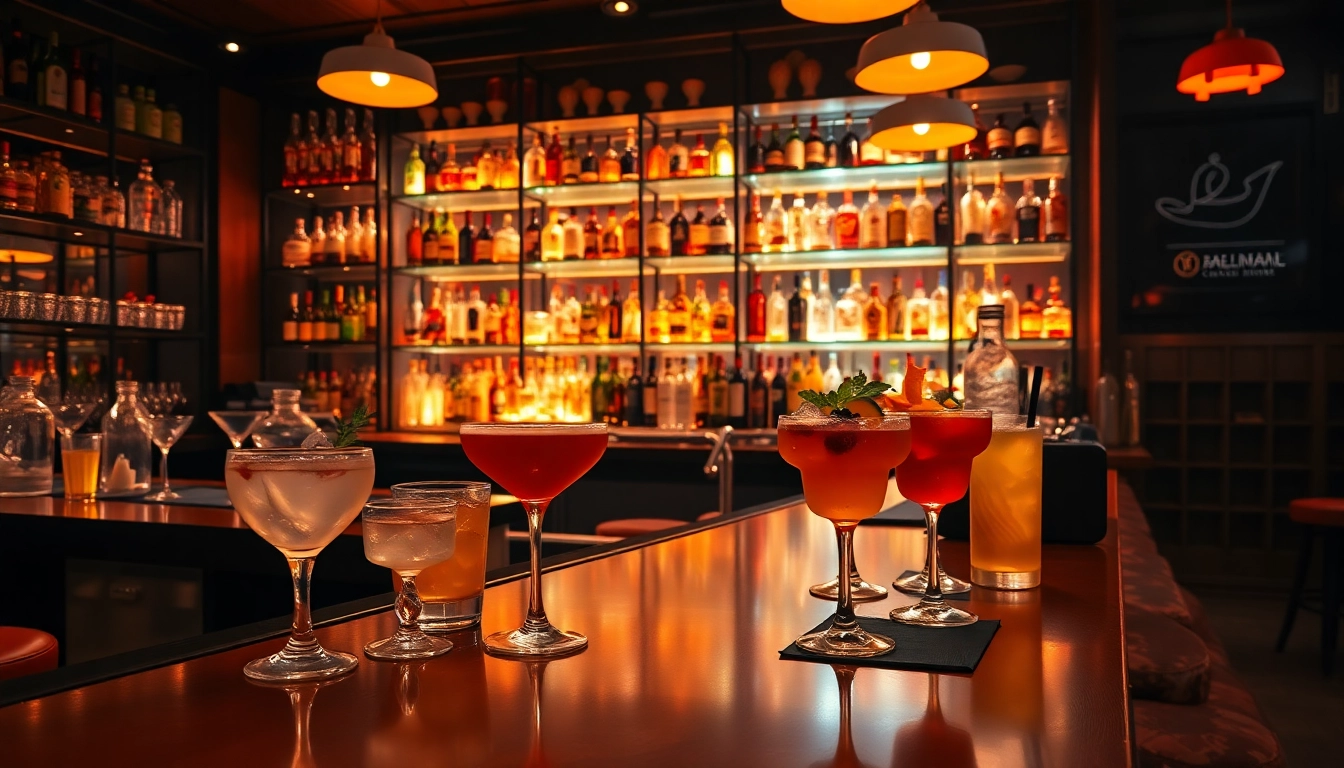
- Cocktail Bars: Featuring skilled bartenders who craft elaborate cocktails using high-quality ingredients.
- Sports Bars: Designed for fans to enjoy games on screens, typically accompanied by casual dining options.
- Nightclubs: Bars that transition into high-energy dance venues after dark, often featuring DJs and live entertainment.
Bar as a Social Hub
The essence of a bar lies in its role as a social hub, providing a space for interaction, relaxation, and celebration. Patrons often visit bars not just for drinks but for the ambiance, camaraderie, and experiences that help create lasting memories. Bars can host diverse events like trivia nights, live music, or themed parties that encourage patrons to engage with one another, building a sense of community.
Furthermore, bars are pivotal in bringing together people from all walks of life. The shared experience of enjoying a drink fosters conversations and networking opportunities that can lead to friendships and business connections alike. Understanding this dynamic enhances how you design your bar’s offerings and atmosphere, creating an inviting environment for all guests.
Crafting the Perfect Menu
Essential Drinks to Include in Your Bar
Creating a well-rounded drink menu is paramount to attracting a diverse clientele. A balanced selection should include:
- Signature Cocktails: Unique concoctions that reflect the bar's personality or theme.
- Classic Cocktails: Timeless drinks like martinis, mojitos, and margaritas that appeal to traditional palates.
- Local Craft Beers: Supporting local breweries can enhance community ties and satisfy beer enthusiasts.
- Non-Alcoholic Options: A variety of mocktails or creative sodas for designated drivers and non-drinkers.
Unique Cocktails for the Creative Bar
To stand out in a crowded market, innovative bartenders should experiment with ingredients and presentation. Consider incorporating local flavors, seasonal ingredients, or unique garnishments. Signature cocktails with intriguing names and story-driven backgrounds can enhance the guest experience. Offering cocktail classes or mixology events could further engage patrons and create brand loyalty.
Understanding Alcohol Pairing
Alcohol pairing is an art that enhances the overall drinking experience. Similar to food pairings, selecting the right drink for a particular flavor profile can elevate both. For example, offering a fruity cocktail alongside spicy tapas can create a delightful contrast, while a rich stout might be ideal alongside chocolate desserts. This knowledge encourages bartenders to be creative and responsive to customer preferences.
Designing Your Bar Space
Layout Considerations for an Inviting Bar
The physical layout of a bar plays a crucial role in determining its success. It’s essential to balance accessibility, comfort, and aesthetics. Key factors include:
- Bar Placement: Ensure the bar counter is visible and easily accessible, encouraging patrons to engage.
- Seating Arrangements: Vary seating types (high-tops, lounge areas) to cater to different social dynamics.
- Traffic Flow: Design pathways that avoid congestion, allowing guests to move freely from one area to another.
Creating an Engaging Atmosphere
The ambiance of a bar should reflect its unique brand identity. Consider integrating local art, music, and themes that resonate with your audience. Every design aspect, from the furniture to the decor, should align with the desired mood. For instance, a sports bar should have a lively atmosphere, while a wine bar might focus on a more intimate and sophisticated vibe.
Lighting Techniques for Bars
Proper lighting can transform a bar’s ambiance, influencing how customers feel and interact. Here are a few lighting techniques to consider:
- Layered Lighting: Combining overhead fixtures with accent and task lighting can enhance visual appeal.
- Adjustable Intensity: Implementing dimmers allows flexibility in lighting based on the time of day and crowd size.
- Creative Fixtures: Unique light fixtures can serve as artistic focal points while providing necessary illumination.
Operational Best Practices
Managing Inventory in Your Bar
Effective inventory management ensures that a bar can meet demand without overstocking, thereby reducing costs. Regular inventory checks, implementing software for tracking usage, and forecasting seasonal trends are essential practices. Establishing relationships with suppliers can ensure timely restocking and favorable terms that benefit operational efficiency.
Staff Training Essentials for Bar Professionals
Well-trained staff are the backbone of any successful bar. Training should encompass not only drink preparation and customer service but also knowledge surrounding the menu and brand ethos. Engaging staff in regular workshops on new cocktails or service techniques keeps them informed and motivated while enhancing guest interactions.
Streamlining Customer Service in a Bar
Great customer service significantly impacts customer retention. Develop protocols to handle various customer scenarios effectively. Encourage staff to engage with guests actively, receive feedback, and adapt quickly to service demands. Utilizing technology, such as point-of-sale systems and mobile orders, can streamline operations and reduce wait times.
Measuring Success of Your Bar
Key Performance Indicators for Bars
Establishing metrics to measure the success of a bar is crucial for ongoing improvement. Key Performance Indicators (KPIs) can include:
- Sales Growth: Tracking sales over time to identify trends and successful promotions.
- Customer Retention Rate: Measuring the percentage of returning customers to assess loyalty.
- Average Transaction Value: Understanding the average spend per customer can guide pricing strategies.
Customer Feedback and Adaptation
Regularly soliciting feedback from patrons can unveil areas for improvement. Conduct surveys, monitor social media, and engage customers directly to gather insights. Understanding preferences and suggestions allows for adaptations to the menu, services, and ambiance, fostering customer loyalty and satisfaction.
Social Media and Marketing for Your Bar
A strong online presence is vital for modern bar businesses. Use social media platforms to promote events, new menu items, and engage with your community. Consistent branding and authentic content create a relatable image that resonates with your target audience. Consider collaborations with local influencers or hosting events to increase visibility.
FAQs
What are the essential drinks every bar should have?
A well-rounded bar should include signature cocktails, classic drinks, and options for non-drinkers, ensuring diversity for all patrons.
How can I create a unique cocktail menu?
Experiment with local and seasonal ingredients, unique garnishments, and storytelling to develop signature cocktails that reflect your bar's identity.
Why is layout important for a bar?
Layout influences traffic flow, accessibility, and overall guest experience, contributing significantly to customer satisfaction and engagement.
What should be included in staff training?
Staff training should cover drink preparation, customer service skills, menu knowledge, and brand ethos to provide consistent, high-quality experiences.
How can I measure my bar's success?
Tracking sales growth, customer retention rates, and transaction values are essential metrics for understanding and improving your bar’s performance.
Contact Information
Call Us: +1 615-624-7821Email: [email protected]Address: 1276 Northwest Broad Street, Murfreesboro, TN, USA