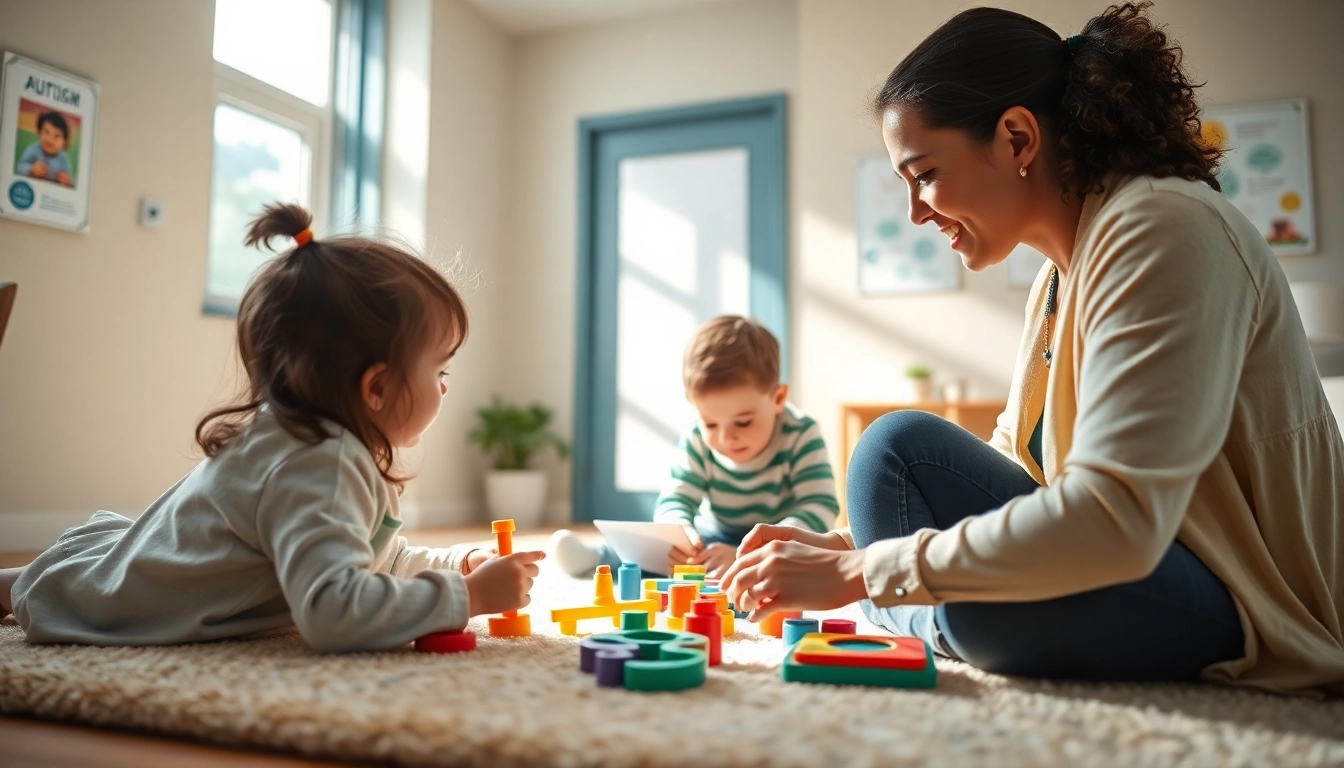
Understanding ABA Therapy in Novi
What is ABA Therapy?
Applied Behavior Analysis (ABA) therapy is a proven approach that uses principles of behavior analysis to help individuals with autism spectrum disorders (ASD) improve their social, communication, and learning skills. This therapeutic method is not only tailored to meet the unique needs of each child but is also backed by extensive research demonstrating its effectiveness. By employing techniques that encourage positive behavior while decreasing undesirable actions, ABA therapy aims to provide a structured learning environment conducive to development.
Importance of ABA for Autism
A crucial element in supporting children with autism, ABA therapy focuses on isolating specific behaviors and modifying them with systematic interventions. These interventions often involve reinforcement, prompting, and modeling to help children learn necessary life skills. Research shows that early intervention with ABA can lead to significant gains in areas such as academic performance, social skills, and adaptive functioning. The capacity of ABA therapy to adjust and adapt to the evolving needs of children makes it an indispensable resource for families navigating autism.
Overview of Applied Behavior Analysis Techniques
ABA therapy encompasses a variety of techniques centered around behavior modification. Among the most common methods are:
- Discrete Trial Training (DTT): A structured approach that breaks skills down into smaller, teachable parts, reinforcing correct responses.
- Natural Environment Teaching (NET): A more spontaneous method that integrates learning opportunities into natural settings.
- Pivotal Response Training (PRT): Focuses on enhancing pivotal areas of a child's development, such as motivation and self-management.
- Task Analysis: Involves breaking complex tasks into manageable steps, allowing children to learn through repetition and positive reinforcement.
Benefits of ABA Therapy in Novi
How ABA Therapy Enhances Communication Skills
Effective communication is critical for all individuals, particularly for children with autism who may struggle to express their feelings and needs. ABA therapy enhances communication skills through targeted interventions that focus on both verbal and non-verbal methods. By combining direct teaching and play-based strategies, children learn to articulate their thoughts more clearly, engage in conversations, and understand social cues, leading to improved interactions with peers and caregivers.
Building Social Skills Through Structured Activities
Social skills are another vital area where ABA therapy excels. Facilitated interactions during structured activities allow children to practice sharing, turn-taking, and empathy in a controlled environment. ABA therapists often employ role-playing and social stories to teach these skills, ensuring that children not only learn the mechanics of social interaction but also understand the emotional significance behind them. Over time, children can transfer these learned skills to real-world settings, paving the way for meaningful relationships.
Improving Behavioral Challenges with ABA
Children with autism may exhibit various behavioral challenges, such as aggression, self-injury, or tantrums. ABA therapy addresses these issues through function-based assessments which identify the underlying reasons for specific behaviors. By understanding the triggers and consequences, therapists can implement interventions that reduce negative behaviors while promoting healthier alternatives. This proactive and personalized approach not only improves the child's behavior but also enhances the quality of life for families.
Choosing an ABA Therapy Provider in Novi
Key Qualities to Look For
Selecting the right ABA therapy provider is essential for the success of your child's treatment. Key qualities to consider include:
- Credentials: Look for providers with appropriate certifications and licenses in ABA therapy.
- Experience: Consider the therapist’s experience working specifically with children with autism.
- Personalization: Ensure the provider offers tailored treatment plans based on your child’s individual needs.
- Communication: A good therapist should maintain open lines of communication with parents and caregivers to foster collaboration.
Assessing Qualifications and Experience
When evaluating potential ABA therapy providers, take time to review their qualifications. Ensure that the therapists are Board Certified Behavior Analysts (BCBA) or have equivalent training in applied behavior analysis. Check their prior work experience, especially with children of similar ages and challenges as your own. This background is vital in crafting effective interventions that resonate with your child’s needs.
Questions to Ask During Consultations
During initial consultations, asking the right questions can provide insight into the therapy process and the provider’s approach. Important questions include:
- What is your experience with children who have similar needs?
- How do you measure progress, and how often will we receive updates?
- What kind of parent training do you offer to help us support our child at home?
- Can you provide references from other families you've worked with?
Implementation Strategies for Parents
Creating a Supportive Home Environment
Parents play a crucial role in the effectiveness of ABA therapy. One of the best ways to support your child's progress is by creating a positive and structured home environment. This may involve designating specific areas for learning and play, establishing routines, and reinforcing the skills taught during therapy sessions. Consistency at home reinforces what the child learns from their therapist, providing a smoother transition between therapy and everyday life.
Integrating Therapy Techniques into Daily Routines
Integrating ABA techniques into daily routines enables children to practice new skills in natural settings. Parents can use everyday situations—like shopping or mealtime—as opportunities to reinforce the lessons learned in therapy. For example, encourage conversation during meals or practice turn-taking during games. This not only helps solidify skills but also makes learning a part of daily life, enhancing retention and application.
Monitoring Progress and Adjusting Goals
Regularly monitoring your child's progress is vital. Work collaboratively with the ABA therapist to track improvements, challenges, and areas needing more focus. Adjusting goals based on progress can ensure that your child is adequately challenged and not stagnating. Regular meetings and assessments can help adapt the therapy plan to better align with your child’s developmental stage and personal growth.
FAQs About ABA Therapy in Novi
What is the average duration of ABA therapy?
ABA therapy sessions typically last between 2 to 30 hours per week, adjusted to individual needs.
Is ABA therapy suitable for all children with autism?
Yes, ABA therapy is adaptable for all children with autism, regardless of their abilities.
How can parents support ABA therapy at home?
Parents can reinforce skills learned by practicing routines and techniques used during therapy sessions.
What are common ABA techniques utilized in therapy?
Common techniques include Discrete Trial Training (DTT) and Natural Environment Teaching (NET).
How can I find qualified ABA therapists in Novi?
Check local listings, ask pediatricians, or explore online directories for certified ABA professionals.
Contact Information
Call Us:+1 248-308-5966Email: [email protected]Address: Novi, MI, United States, 48375