Understanding Bed Bugs and Their Behavior
What Are Bed Bugs?
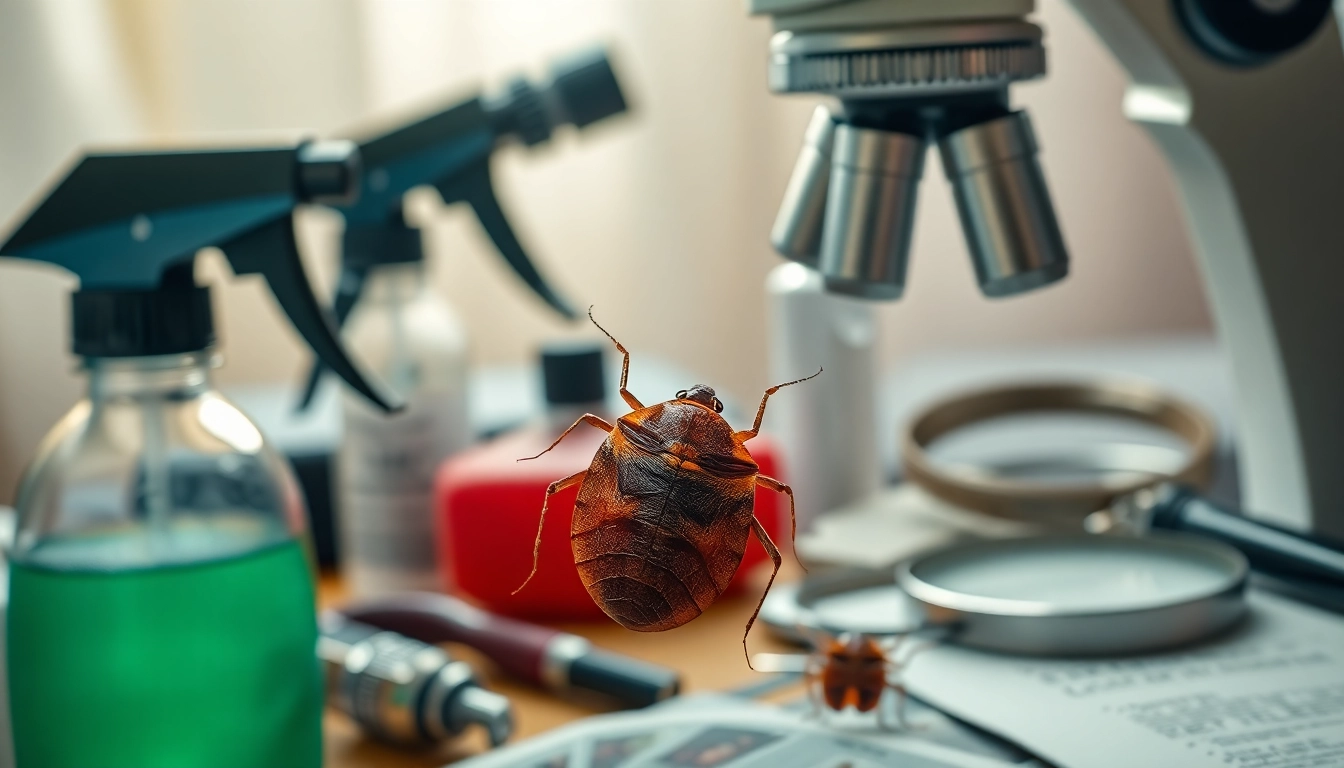
Bed bugs are small, brownish insects that feed on the blood of humans and animals. They belong to the Cimicidae family and are commonly found in areas where people sleep. Adult bed bugs are about the size of an apple seed, making them difficult to spot. Their bodies are flat, which allows them to hide easily within cracks, crevices, and other narrow spaces. They are nocturnal and tend to feed while their hosts are asleep, making their presence often unnoticed until an infestation occurs.
Life Cycle and Habits of Bed Bugs
Understanding the life cycle of bed bugs is crucial for effective bed bug treatment. Bed bugs undergo five nymph stages before reaching maturity, with each stage requiring a blood meal to progress. The entire life cycle from egg to adult can take anywhere from five weeks to several months depending on environmental conditions. This adaptability allows them to thrive in various settings, making infestations difficult to eliminate.
Signs of Infestation
Identifying a bed bug infestation involves recognizing specific signs. Common indicators include:
- Rusty or reddish stains on bed linens or mattresses from crushed bed bugs.
- Dark spots, which are bed bug excrement, located on surfaces where they hide.
- Bed bug eggs and shed skins near infested areas.
- Itchy welts on the skin, usually in a linear pattern where bed bugs have fed.
Preparation Steps for Effective Bed Bug Treatment
Creating a Treatment Plan
A well-structured treatment plan is essential for tackling bed bug infestations effectively. The first step is to conduct a thorough inspection of your home, identifying all potential hiding spots. It is vital to note the severity of the infestation, as this will dictate the treatment approach and products to use. Additionally, setting a realistic timeline for treatment and follow-up inspections will help manage expectations.
Essential Preparations Before Treatment
Before starting any bed bug treatment, there are several essential preparations to undertake. This includes removing clutter, vacuuming all infested areas, and laundering bedding and clothing in hot water. Furthermore, sealing cracks and crevices can help contain the infestation during treatment. All infested items should be isolated to prevent the spread of bed bugs during the treatment process.
Identifying Infested Areas
Effective bed bug treatment begins with accurately identifying infested areas. Inspecting the bed, mattress seams, headboard, and nearby furniture is crucial. Bed bugs tend to hide in walls, under carpets, behind baseboards, and in other areas close to where people sleep. Utilizing a flashlight can aid in identifying these elusive pests.
Common Methods of Bed Bug Treatment
Chemical Treatments Explained
Chemical treatments are one of the most common methods used for bed bug extermination. Various pesticides are specifically designed to target bed bugs, with different active ingredients offering varying levels of effectiveness. It is essential to follow the manufacturer's instructions and safety precautions when applying these chemicals. Combining multiple products may enhance efficacy, but using them judiciously and within recommended limits is crucial to avoid resistance development.
Heat Treatment as an Alternative
Heat treatment has gained popularity as a highly effective method of bed bug control. This method involves raising the temperature of infested areas to a level that is lethal to bed bugs. Typically, temperatures of around 120°F (49°C) or higher are required for a sustained period to ensure that all life stages are eradicated. This method is particularly effective in hard-to-reach areas, such as cracks and crevices, where chemicals may not penetrate effectively.
DIY Remedies for Bed Bug Treatment
Homeowners may turn to do-it-yourself (DIY) remedies as a cost-effective approach to bed bug control. Some popular methods include using diatomaceous earth, a natural substance that can dehydrate and kill bed bugs when they come into contact with it. Steam cleaning is another effective DIY treatment, as high-temperature steam can kill bed bugs on contact. However, while these remedies can be helpful, they may not always completely eradicate an infestation, especially if not combined with thorough inspections and traditional methods.
Professional Bed Bug Treatment Services
When to Call in the Experts
Bed bug infestations can be challenging to manage, and in some cases, seeking professional help is the best and safest option. It is advisable to call in pest control specialists if the infestation is extensive, if previous DIY attempts have failed, or if you are unsure how to implement effective treatments. Professionals are trained to identify hidden infestations and can apply advanced treatment methods tailored to your specific situation.
What to Expect from Professional Services
When you hire a professional pest control service, expect a thorough inspection of your home, followed by a detailed treatment plan. Professionals typically use a combination of chemical and non-chemical methods to eliminate bed bugs effectively. After treatment, many services offer follow-up visits to monitor effectiveness and address any remaining concerns. Educating yourself on what to expect during the process can help in taking full advantage of their expertise.
Evaluating Treatment Effectiveness
Evaluating the effectiveness of treatment is crucial for long-term success. After the treatment, it is essential to continue monitoring for signs of bed bugs. Assessments can be conducted through regular inspections and monitoring devices such as bed bug traps. If you observe any signs of bed bugs reappearing, it may necessitate another round of treatment. Regular communication with your treatment provider can also support ongoing effectiveness.
Maintenance and Preventative Measures Against Bed Bugs
Ongoing Monitoring Techniques
To maintain a bed bug-free environment, ongoing monitoring is essential. Implementing preventative measures, such as regularly inspecting luggage after traveling, can help catch infestations early. Bed bug interceptors can be strategically placed under bed legs to trap any bed bugs that attempt to climb up. Regular deep cleaning and vacuuming can also deter bed bugs and help in identifying any potential issues before they escalate.
Best Practices for Prevention
Preventing bed bug infestations requires diligence and a proactive approach. Best practices include:
- Using protective encasements on mattresses and pillows to prevent bed bugs from hiding inside.
- Avoiding the purchase of used furniture unless it has been thoroughly inspected.
- Regularly checking for signs of bed bugs, particularly after traveling or staying in hotels.
- Educating all members of the household about bed bugs to facilitate early identification and response.
FAQs on Bed Bug Treatment
How do you get rid of bed bugs quickly?
Quickly getting rid of bed bugs involves vacuuming infested areas daily, washing and drying bedding on high heat, and using approved pesticides while following instructions meticulously. Consistency is key!
What is the best home remedy for bed bugs?
While no remedy guarantees success, diatomaceous earth and steam cleaning are popular DIY options. These methods can reduce the bed bug population but may not eradicate them entirely.
Can bed bugs live in my clothes?
Yes, bed bugs can live in clothing, especially if they are in close proximity to infested areas. Washing clothes in hot water and drying them on high heat can kill any bed bugs present.
How long does bed bug treatment take?
The duration of bed bug treatment varies based on the severity of the infestation and the method used. Typically, it may take a few weeks to fully eradicate an infestation.
Are bed bugs dangerous to health?
While bed bugs do not transmit diseases, their bites can cause itching, allergic reactions, and in some cases, secondary infections due to excessive scratching.