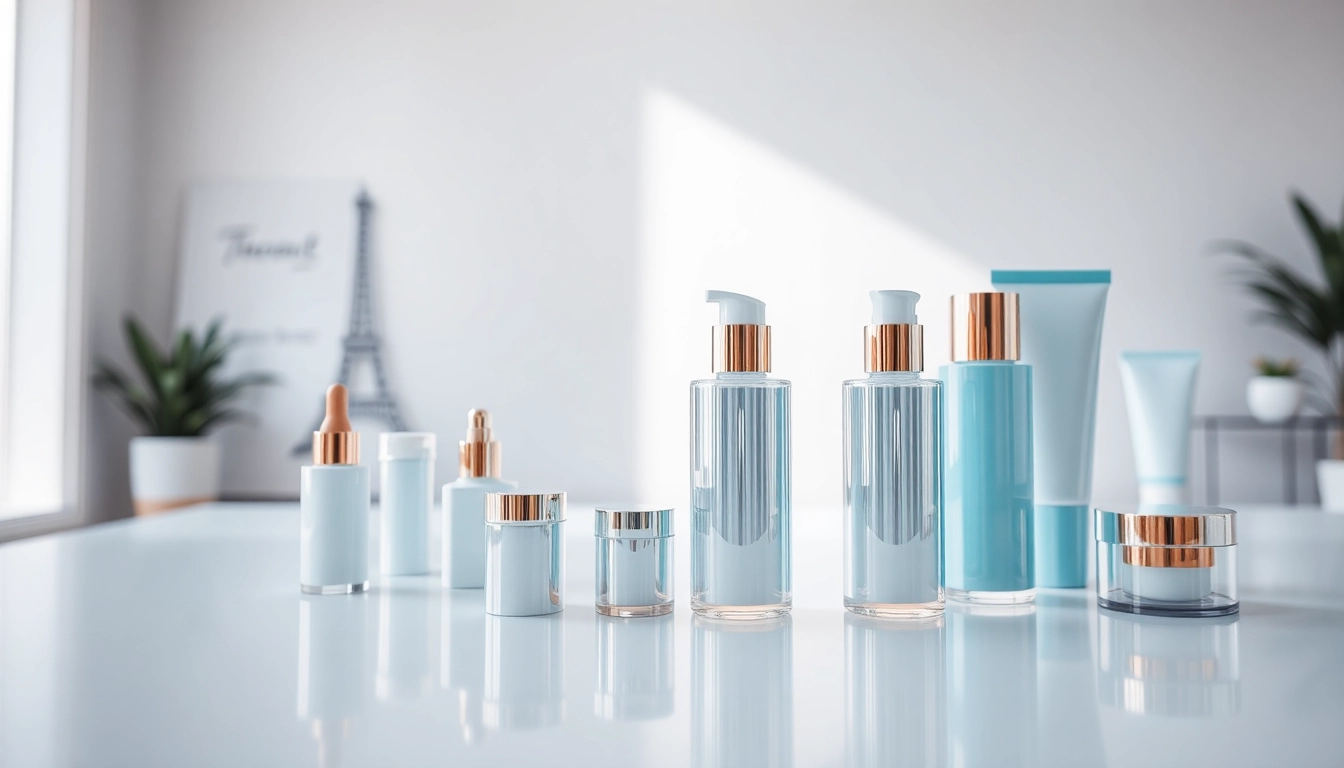
The Importance of Cosmetic Contract Packaging
In today’s increasingly competitive beauty market, cosmetic contract packaging is not just a logistical choice but a strategic one. This specialized service is vital for brands looking to enhance their product offerings while maintaining cost efficiency. As consumers become more discerning, the demand for quality packaging that preserves product integrity and elevates brand image is paramount.
Understanding Cosmetic Contract Packaging
Contract packaging in the cosmetics industry involves outsourcing the packaging process to a third-party provider. This allows brands to focus on core competencies such as product formulation and marketing while leveraging the expertise of skilled packaging specialists. Typically, services include filling, labeling, and even designing customized packaging options that resonate with target audiences. This breadth of services ensures that cosmetic companies can meet demands quickly while adhering to regulatory requirements, thereby enhancing their market presence and customer satisfaction.
Benefits for Cosmetic Brands
One of the most significant advantages of cosmetic contract packaging lies in its ability to streamline operations. By collaborating with experienced packaging partners, brands can benefit from:
- Cost Efficiency: Reduces overhead costs associated with manufacturing equipment and labor.
- Time Savings: Accelerates the product-to-market timeline, crucial in the fast-paced beauty industry.
- Expertise and Technology: Access to cutting-edge packaging technologies and skilled labor without the need for heavy capital investment.
- Scalability: Easily scale operations up or down based on market demand, making it ideal for both startups and established brands.
Custom Solutions Tailored to Your Needs
With the increasing variety of cosmetic products, there is no one-size-fits-all approach to packaging. A reliable contract packaging partner offers tailored solutions that accommodate unique product specifications and brand identities. From eco-friendly materials to sophisticated dispensing systems, the flexibility to customize packaging ensures that brands can differentiate themselves in a crowded marketplace.
Key Features to Consider in Cosmetic Contract Packaging
Material Choices and Sustainability
With growing environmental concerns, brands should prioritize sustainable packaging. Choosing biodegradable, recyclable, or reusable materials not only supports sustainability but also appeals to environmentally-conscious consumers. Evaluating the life cycle of packaging materials—from sourcing to disposal—is essential to minimize the brand’s carbon footprint.
Design and Aesthetic Appeal
The visual presentation of cosmetic products significantly influences consumer purchasing decisions. Packaging design should not only reflect the brand's image but also be functional and user-friendly. Attractive designs can enhance brand recognition, while clever packaging solutions like airless pumps or travel-friendly sizes can improve customer satisfaction. Engaging graphics and labeling should consistently communicate brand values, ingredient transparency, and usability.
Functionality and User Experience
The usability of packaging is vital in ensuring customer satisfaction. Cosmetic packaging must not only protect the product but also offer convenient features such as easy dispensing, resealability, or travel compatibility. Ergonomic designs enhance the overall user experience, encouraging repeat purchases and brand loyalty.
Choosing the Right Partner for Cosmetic Contract Packaging
Evaluating Vendor Capabilities
When selecting a cosmetic contract packaging partner, it is crucial to assess their capabilities and expertise. Consider their experience with specific product types, technology used, and previous client portfolios. A knowledgeable partner should provide insights into the latest industry trends and regulations to position your brand effectively in the market.
Cost Considerations
Understanding the cost structure involved in cosmetic contract packaging is essential. While it may be tempting to choose based on price alone, evaluating the quality of materials, technology, and service provided is crucial. Consider total costs relative to the long-term value gained from higher-quality packaging solutions, such as enhanced brand reputation and reduced returns due to packaging defects.
Assessing Quality Assurance Practices
Quality assurance is paramount in the cosmetics industry. Ensure that your packaging partner follows stringent quality control standards. This includes regular audits, testing, and compliance with safety regulations. A reputable partner will be willing to share their quality assurance process, guaranteeing that all products are packaged consistently and safely for consumers.
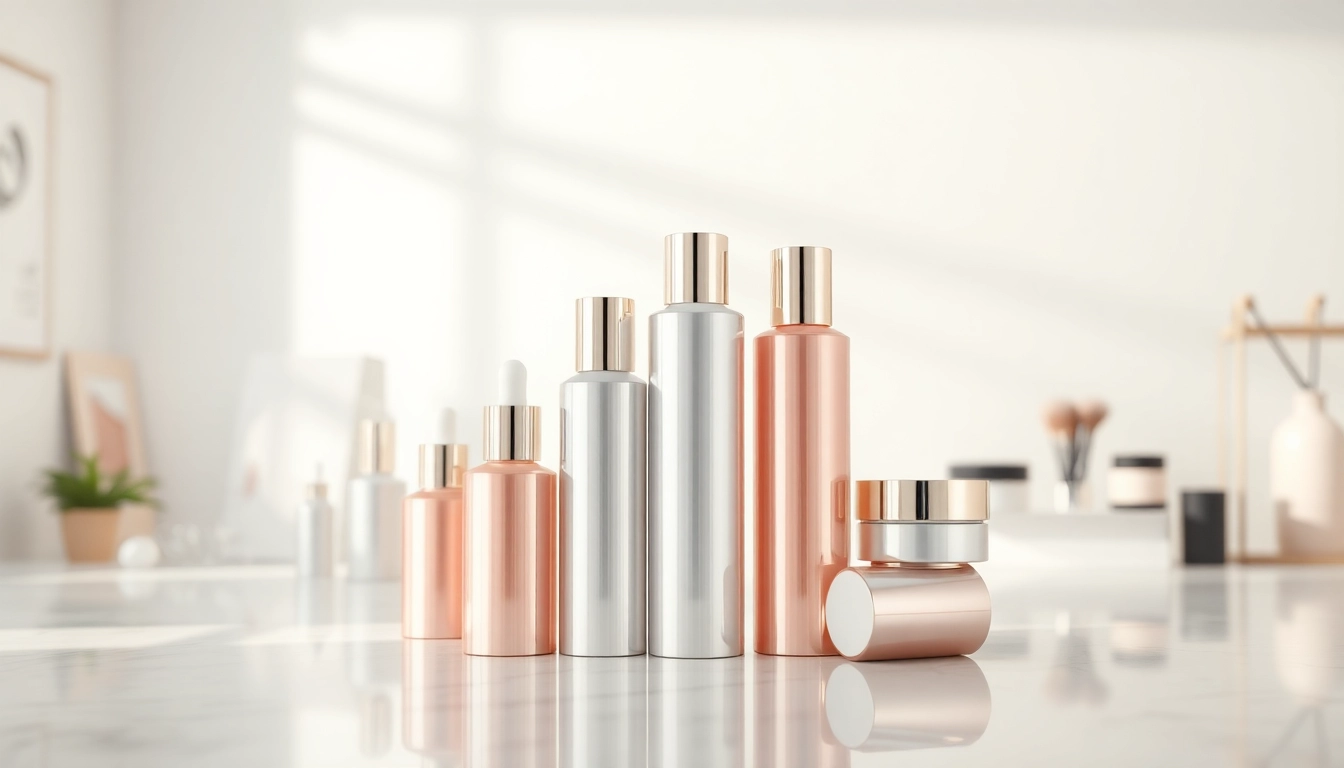
Trends in Cosmetic Contract Packaging
Innovative Packaging Technologies
The cosmetic industry is rapidly adopting innovative packaging technologies, such as smart packaging that interacts with consumers. These technologies can include QR codes for enhanced customer engagement or tamper-evident seals that assure product safety. Brands that invest in such emerging technologies can deepen customer relationships and boost user engagement.
Eco-friendly Options on the Rise
Given the increasing ecological awareness among consumers, eco-friendly packaging is quickly becoming a necessity rather than a luxury. Many brands are embracing sustainable options such as plant-based plastics and minimalistic packaging designs that use less material. Establishing a commitment to sustainability can also enhance brand loyalty among eco-conscious consumers.
Consumer Preferences Shaping the Market
Consumer preferences are evolving, and brands must adapt accordingly. The rising popularity of clean beauty products has led to a greater demand for transparency in ingredient sourcing and packaging practices. This shift dictates that brands must consider consumer education as part of their packaging strategy, ensuring ethical and sustainable messaging is clearly communicated through their product packaging.
Measuring Success in Cosmetic Contract Packaging
Performance Metrics to Watch
To determine the effectiveness of cosmetic contract packaging, brands should monitor key performance metrics such as sales growth, customer feedback, and return rates. Tracking these metrics over time will provide valuable insights into packaging effectiveness and areas for improvement.
Gathering Customer Feedback
Engaging with customers for feedback after product launch helps refine packaging strategies. Inquire about their experiences with usability, perception of product quality, and overall satisfaction. Implementing changes based on this feedback can lead to higher customer retention rates and more successful product launches in the future.
Adapting to Market Changes
The beauty industry is ever-changing, influenced by trends, technology advancements, and consumer preferences. Brands must remain fluid and adaptable, continuously adjusting their packaging strategies to align with market demands. Staying informed about industry shifts and being responsive to consumer needs is essential for long-term success.
Frequently Asked Questions
What is cosmetic contract packaging?
Cosmetic contract packaging involves outsourcing the packaging of cosmetic products to specialized companies, allowing brands to focus on production and marketing.
What are the benefits of using contract packaging?
Benefits include cost savings, faster time-to-market, access to expert technologies, and the ability to scale production based on demand.
How can I ensure the quality of my packaging?
Choosing a reputable contract packaging partner with strong quality assurance practices ensures your products meet industry standards and consumer expectations.
What packaging materials are most sustainable?
Biodegradable plastics, recycled materials, and minimalistic designs that reduce waste are currently considered some of the most sustainable options.
How do trends in consumer behavior affect packaging?
Consumer preferences for eco-friendly, transparent, and innovative packaging solutions influence packaging strategies, necessitating adaptation by brands.