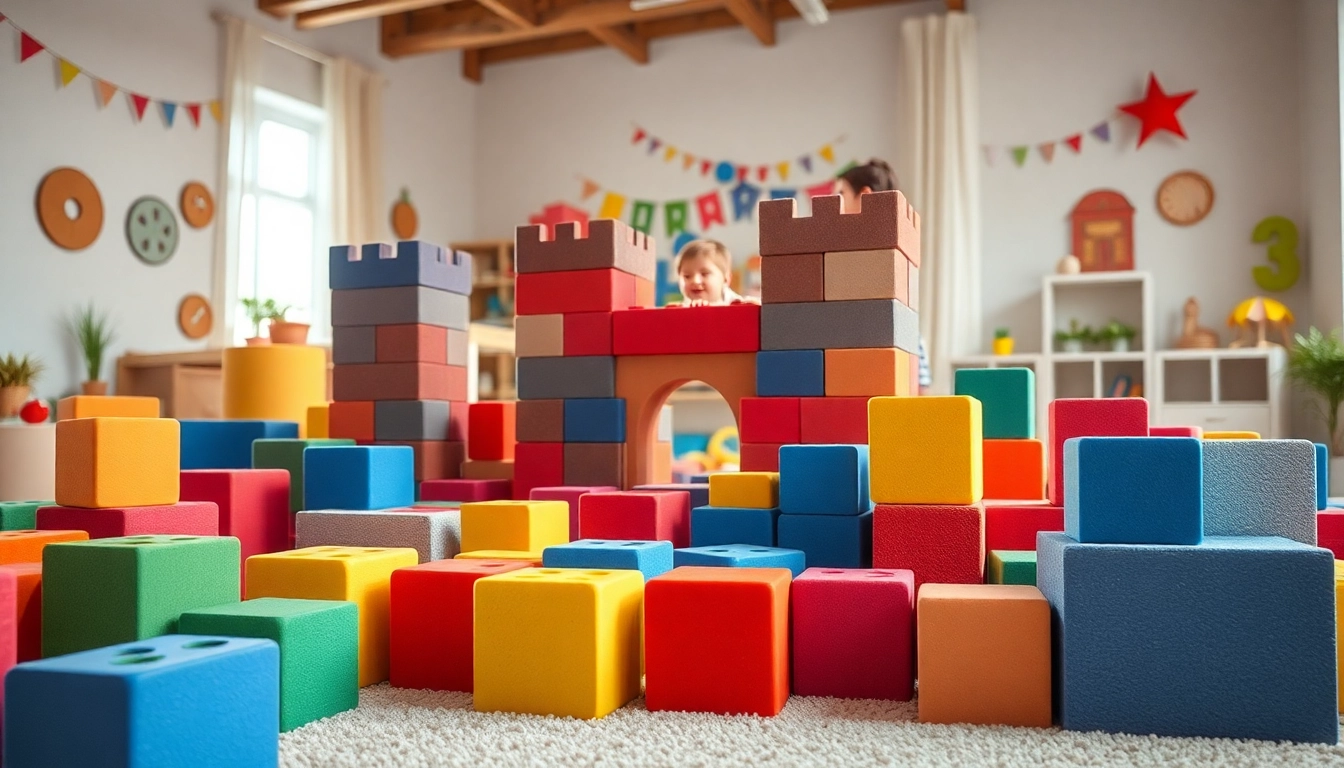
Introduction to Giant Foam Building Blocks
In the realm of children's toys, few items foster creativity and imagination like giant foam building blocks. These oversized, tactile pieces provide endless opportunities for play, allowing kids to construct anything from towering castles to elaborate race tracks. As they engage with these blocks, children explore the fundamentals of design, engineering, and teamwork. For those seeking more details about these dynamic playthings, this comprehensive guide dives deep into everything there is to know about giant foam building blocks.
What Are Giant Foam Building Blocks?
Giant foam building blocks are large, lightweight, and cushioned blocks made from high-density foam. Typically, these blocks are safe for kids to handle and come in various shapes and sizes. Their design plays a crucial role in enhancing the physical and cognitive abilities of children by encouraging hands-on interaction. Whether used indoors or outdoors, these blocks stand out due to their bright colors, various geometric forms, and ease of use, fostering an inviting play environment.
Benefits of Using Foam Blocks for Play
The benefits of giant foam building blocks extend beyond simple amusement. They support numerous facets of child development:
- Creativity and Imagination: Children can let their imagination run wild, creating whatever they envision.
- Motor Skills: Manipulating and stacking the blocks helps develop fine motor skills and hand-eye coordination.
- Problem-Solving: Building complex structures encourages critical thinking and creative problem-solving.
- Social Skills: Working together fosters teamwork and communication among peers.
Perfect Age Groups for Foam Building Blocks
Giant foam building blocks are designed for a broad age range, making them a versatile addition to any playroom. They are ideal for toddlers who are just learning to manipulate objects, as well as preschoolers and older children who can engage in more complex building and imaginative play. Generally, the recommended age range is from 18 months to 8 years. However, the engaging nature of foam blocks can appeal to older children as well, especially when combined with creative themes.
Choosing the Right Foam Building Blocks
Sizes and Shapes: What to Consider
When selecting foam building blocks, size and shape are crucial factors. Blocks come in various dimensions, from small cubes to large rectangular prisms. Consider the following:
- Space: Assess the available play area. Larger blocks require more space, while smaller blocks can be used in confined areas.
- Age Appropriateness: Smaller blocks are better suited for younger children to avoid choking hazards, while older kids may enjoy larger, more intricate shapes.
- Variety: A mix of sizes and shapes can spark creativity and inspire children to build diverse structures.
Material Safety and Durability
Safety should always be a priority when choosing toys for children. Look for foam blocks made from non-toxic, BPA-free materials. High-quality foam should withstand rough play and resist tearing or denting. Check for certifications or safety standards that ensure the materials are child-safe. Durable foam blocks can endure prolonged use and remain intact over time, providing excellent value for investment.
Where to Buy Quality Foam Blocks
Quality foam blocks can be found in toy stores, educational supply shops, and online retailers. When purchasing, ensure you buy from reputable brands that clearly outline their safety standards and materials. Online reviews and ratings can provide valuable insights into the performance and satisfaction of the product, aiding in making an informed decision. When exploring options, consider local arts and crafts stores as well, which might have unique selections of foam blocks.
Creative Construction Ideas
Building Imagination: Design Concepts
One of the most exciting aspects of foam building blocks is their adaptability to different themes and projects. Here are a few imaginative design concepts:
- Castle Building: Use various shapes to create a majestic castle, complete with towers and walls. This theme can include dramatic storytelling elements.
- Obstacle Courses: Arranging blocks of different heights and widths can craft an engaging obstacle course that encourages physical activity and problem-solving.
- Vehicles and Trains: Children can construct their interpretations of cars, trains, or rocket ships using the geometric shapes provided by the blocks.
Incorporating Themes into Play
Building with foam blocks offers an excellent opportunity to blend educational themes into play. Here are some ideas:
- Space Exploration: Once a rocket ship is built, delve into the wonders of space and planets. Kids can learn about the solar system while playing.
- Underwater Adventures: Create an underwater scene to teach children about marine life, integrating aquatic-themed stories with block building.
- Historical Structures: Encourage children to replicate famous landmarks. This leads to discussions about history and architecture, making learning fun.
Collaborative Projects for Kids
Encourage teamwork through collaborative building projects. Here are ways to facilitate group activities:
- Group Challenges: Set a timer for building challenges where children work in groups to build specified structures.
- Themed Days: Designate particular days for themed constructions where kids bring ideas from home.
- Role Play within Built Structures: After building, kids can enact scenarios within their structures, practicing social interaction.
Ensuring Safety During Playtime
Safe Play Areas Setup
Creating a safe play area is essential. Here are key tips for setup:
- Soft Surfaces: Ensure that play areas have soft ground coverings like carpets, rugs, or mats to reduce the risk of injuries during falls.
- Space Management: Arrange enough space for movement to prevent collisions and overly crowded play areas.
- Clear Boundaries: Set designated zones for building to help children understand where play starts and ends.
Teaching Children Safe Play Practices
Education about safety practices is critical for children to enjoy their playtime. Teach them about:
- Proper Stacking: Show them how to stack blocks securely to prevent toppling.
- Body Awareness: Encourage kids to be aware of their surroundings to prevent bumping into others while playing.
- Respecting Others’ Space: Teach them to respect others' play areas and to ask permission before engaging with someone else's constructions.
Managing Supervision During Activities
Active supervision ensures that play remains safe and constructive. Consider these strategies:
- Adult Participation: Engage as a facilitator during play to encourage safe practices and guide children.
- Set Rules: Establish clear guidelines regarding sharing, turns, and respectful play.
- Regular Check-ins: Monitor play periodically to ensure safety measures are adhered to and that all children are included.
Maintaining and Storing Foam Building Blocks
Cleaning Instructions for Foam Blocks
Proper maintenance extends the lifespan of foam blocks. Here are some cleaning tips:
- Easy Wipe Down: Use a damp cloth to wipe the surfaces of the blocks regularly.
- Gentle Soap Solution: For deeper cleaning, a solution of mild soap and water can be employed. Avoid harsh chemicals that may damage the foam.
- Dry Properly: Allow blocks to air dry to prevent mildew and deterioration.
Best Storage Solutions for Indoor Spaces
Storing foam blocks properly can help maintain their condition and organization. Consider these options:
- Storage Bins: Use large, open bins for easy access and organization. Clear containers can help in quick identification.
- Vertical Storage: Instead of stacking blocks flat, consider vertical storage solutions that maximize space and increase visibility.
- Dedicated Play Areas: If possible, designate a specific space for foam block play to encourage tidiness.
Extending the Life of Your Building Blocks
Implementing a few key practices can extend the lifespan of your foam blocks:
- Regular Inspections: Check for any damage or wear and take action immediately to repair or replace.
- Limiting Exposure to Elements: Ensure blocks used outdoors are brought inside after use to prevent weather-related deterioration.
- Educational Use: Incorporating learning and educational themes can keep kids interested while preserving the integrity of the blocks.
FAQs about Giant Foam Building Blocks
Are giant foam building blocks safe for toddlers?
Yes, most giant foam blocks are designed specifically for toddlers. They are made from non-toxic materials and are lightweight, minimizing injury risks during play.
Can foam building blocks be used outdoors?
Absolutely! While they are great for indoor use, many foam blocks are durable enough for outdoor play. Just ensure they are stored properly after use.
How do I clean foam building blocks?
These blocks can be cleaned with a damp cloth and mild soap solution. Ensure they are dried properly to prevent mildew.
What ages are best suited for foam blocks?
Foam blocks are typically suitable for children aged 18 months to 8 years, stimulating different developmental skills across this range.
Where can I find high-quality foam blocks?
Quality foam blocks can be purchased from educational supply stores, toy retailers, or online marketplaces with reputable reviews to guide your choice.