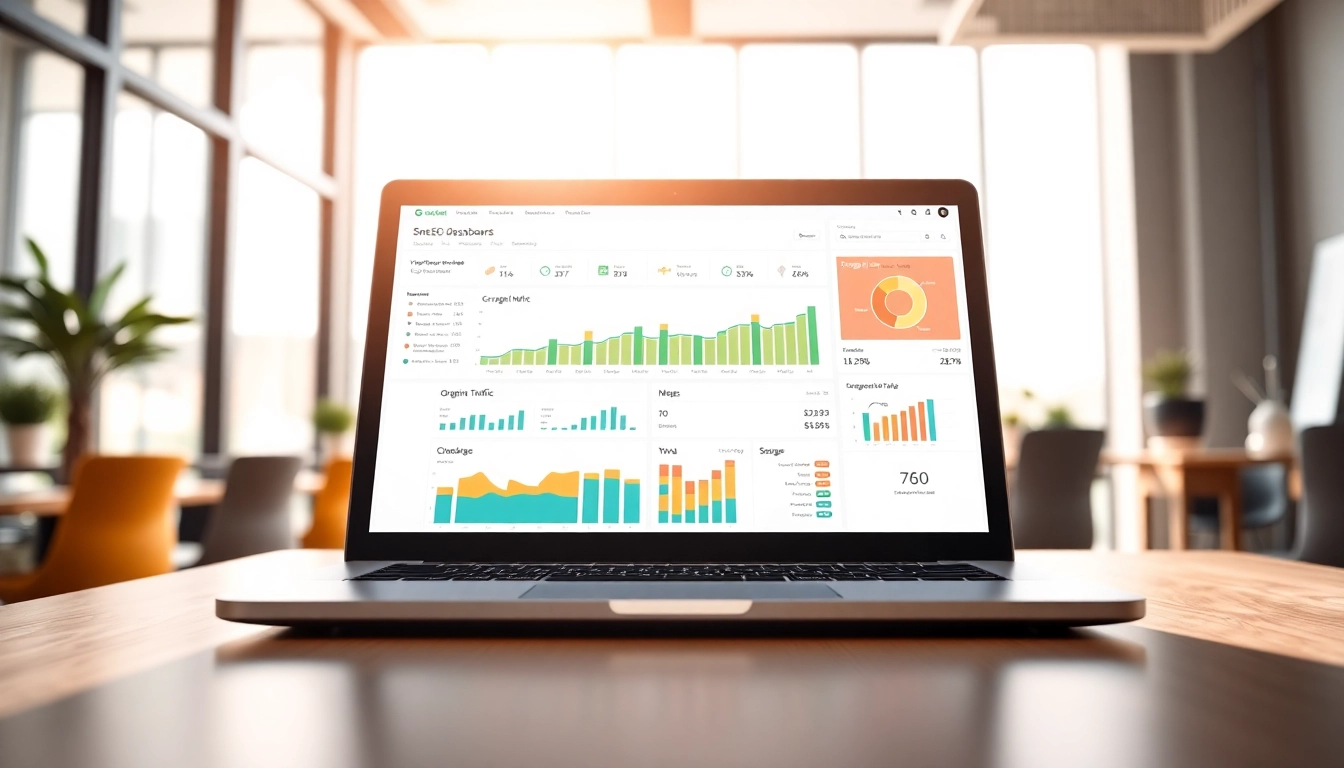
Understanding the Benefits of a Website with Built-in SEO Dashboard
Businesses aiming for increased visibility and performance in the digital landscape can significantly benefit from a website with built-in SEO dashboard. These dashboards serve as vital tools that empower organizations to monitor their SEO metrics in real-time, offering insights that can inform marketing strategies and drive organic traffic. But what exactly makes these dashboards invaluable? Let's delve deeper.
Why SEO Dashboards Matter for Businesses
SEO dashboards consolidate various aspects of search engine optimization into a single interface, allowing businesses to easily track performance indicators such as traffic, keyword rankings, and site health. With the rapid pace of digital marketing, obtaining immediate insights has become crucial for staying ahead of competitors and responding swiftly to shifts in audience behavior. These dashboards facilitate a proactive approach by allowing teams to identify issues and opportunities as they arise.
Key Features to Look For
- Real-Time Data Tracking: A robust SEO dashboard should provide real-time statistics to capture the performance of key metrics immediately.
- Integrations: The ability to link with popular tools like Google Analytics, Google Search Console, and other third-party applications enhances the data depth.
- Customizable Reports: Users should be able to tailor reports based on specific KPIs that align with their business goals.
- Visual Analytics: High-quality visualizations such as graphs and charts help in understanding trends at a glance.
Common Challenges Solved by SEO Dashboards
One of the significant hurdles businesses face is data overload. SEO dashboards help simplify complex data sets by synthesizing essential insights. They can also address issues of time management by automating reporting processes, allowing teams to focus on implementing strategies rather than compiling data.
Key Metrics Tracked by Your SEO Dashboard
Organic Traffic Analysis
Understanding organic traffic is fundamental to evaluating SEO effectiveness. By tracking this data, businesses can identify successful keywords and content types that attract users. Dashboards often present this data over various time frames, revealing trends in user engagement and growth.
Keyword Ranking Tracking
Keeping tabs on how specific keywords rank in search results allows businesses to adjust their content strategies accordingly. This feature not only shows the current ranking but can also provide insights into shifts over time, helping pinpoint successful efforts or identify areas needing improvement.
Technical SEO Performance Indicators
Technical aspects of SEO, such as site speed, mobile optimization, and crawl errors, are just as crucial as keyword strategies. SEO dashboards can highlight these performance indicators, enabling businesses to address technical deficiencies swiftly, which can significantly impact user experience and rankings.
Implementing an Effective SEO Strategy
Basic Steps to Setup Your Dashboard
Setting up an effective SEO dashboard begins with selecting the right tools. Once you have your tools in place, aggregate critical data sources like Google Analytics and your website's content management system. Follow these steps:
- Identify your primary KPIs based on business goals.
- Connect data sources to your chosen dashboard tool.
- Design your layout for optimal readability and insight display.
- Set automated reporting schedules to keep your metrics fresh.
Integrating Tools for Comprehensive Insights
Integrating various tools allows for a more comprehensive analysis. Incorporating entities like keyword tracking software, backlink analysis tools, and website performance metrics enriches the data pool, providing clarity in decision-making. A robust dashboard combines these integrations seamlessly, presenting data that supports holistic SEO strategies.
Best Practices for SEO Management
Regularly reviewing metrics is essential for effective SEO management. Best practices include:
- Setting monthly reviews of dashboard data to track progress against your SEO goals.
- Utilizing A/B testing for significant changes to evaluate their effectiveness prior to full implementation.
- Working with cross-functional teams to understand how other practices influence SEO outcomes, like content marketing and social media strategies.
Real-World Examples of Successful Dashboards
Case Studies of Effective SEO Implementations
Numerous case studies illustrate the impact of utilizing well-structured SEO dashboards. For instance, a local eCommerce retailer utilized their SEO dashboard to identify on-page optimization opportunities, which resulted in a 40% increase in organic traffic within three months. By regularly tracking their keyword rankings and site health metrics, they could refine their strategy dynamically.
Comparative Analysis of Dashboard Tools
Not all SEO dashboards offer the same functionalities. Comparing features, such as user-friendliness, data reporting capabilities, and real-time monitoring, can help businesses select the best fit for their needs. A thorough analysis should include different pricing structures, usability for varying technical backgrounds, and potential for scalability as the business grows.
Visualizing SEO Data for Maximum Impact
Data visualization plays a crucial role in making complex information digestible. Using graphs, heat maps, and interactive elements can enhance understanding for team members who may not be adept with raw data analysis. An effective dashboard design ensures that vital insights are accessible and actionable at a glance.
Frequently Asked Questions About SEO Dashboards
What is an SEO dashboard?
An SEO dashboard consolidates essential SEO metrics and insights into a single view, allowing users to track performance and identify areas for improvement without navigating complex analytics platforms.
How to create a website with built-in SEO dashboard?
Start by researching dashboard tools that fit your business needs. Set up the dashboard by integrating your SEO tools, customizing it according to your KPIs, and ensure it can automate reporting processes for real-time insights.
What are the best practices for using an SEO dashboard?
Regular reviews of your metrics, utilizing A/B testing for content strategies, and ensuring cross-department collaboration can optimize your SEO management process and increase website performance.
How often should I review my SEO dashboard metrics?
It is recommended to review your SEO dashboard metrics at least once a month, but more frequent assessments may be beneficial, particularly after implementing significant changes to your website or strategy.
Can a website with built-in SEO dashboard improve my rankings?
Yes, a website with built-in SEO dashboard provides actionable insights that help identify opportunities for optimization, ultimately leading to improved search engine rankings and heightened visibility.