Understanding Integrated Modular Systems
In the evolving landscape of water treatment, Integrated Modular Systems have emerged as a pivotal solution for addressing complex water challenges. These systems combine various treatment technologies into cohesive, easy-to-install modules, ensuring efficiency, reliability, and sustainability. As modern industries face increasing regulatory pressures alongside a demand for higher efficiency, the integration of modular systems offers a compelling answer to streamline processes and enhance water quality management. This article delves into the key components, applications, and benefits of QILEE's specialized modular systems designed to cater to diverse water treatment needs.
What Are Integrated Modular Systems?
Integrated Modular Systems refer to a configuration of water treatment processes that are combined into a single, cohesive framework. These systems leverage various technological modules, such as filtration, chemical treatment, and advanced treatment technologies, allowing users to customize solutions based on specific water quality challenges. This modular approach not only enhances operational efficiency but also mitigates the complexity often associated with traditional water treatment methods.
Key Components of Effective Systems
To maximize the effectiveness of Integrated Modular Systems, understanding their key components is essential. These elements include:
- Membrane Technologies: Such as microfiltration and ultrafiltration systems that help remove suspended solids and microorganisms.
- Chemical Dosing Units: These systems are crucial for the addition of coagulants and disinfectants to treat varied wastewater compositions.
- Sludge Management Solutions: Including centrifuges and mechanical dewatering systems to handle and dispose of byproducts efficiently.
- Control Systems: Automated platforms for monitoring and managing the operation of the integrated systems to ensure optimal performance.
Benefits of Modular Approaches
The benefits of implementing Integrated Modular Systems are multifaceted, providing significant advantages over traditional water treatment methods:
- Flexibility: Modular systems allow for easy scalability and adaptability to changing treatment needs and regulatory requirements.
- Cost Efficiency: By reducing the need for extensive infrastructure and enabling faster installation, overall costs can be significantly lowered.
- Reduced Downtime: Modular systems facilitate quicker maintenance and repairs, minimizing operational disruptions.
- Environmental Sustainability: Enhanced resource efficiency and reduced waste generation align with modern environmental goals.
Applications of Integrated Modular Systems in Water Treatment
The adaptability of Integrated Modular Systems enables their application across various sectors, particularly in water treatment. These systems can be tailored to suit the specific requirements of diverse industries, enhancing their operational capabilities.
Wastewater Treatment Solutions
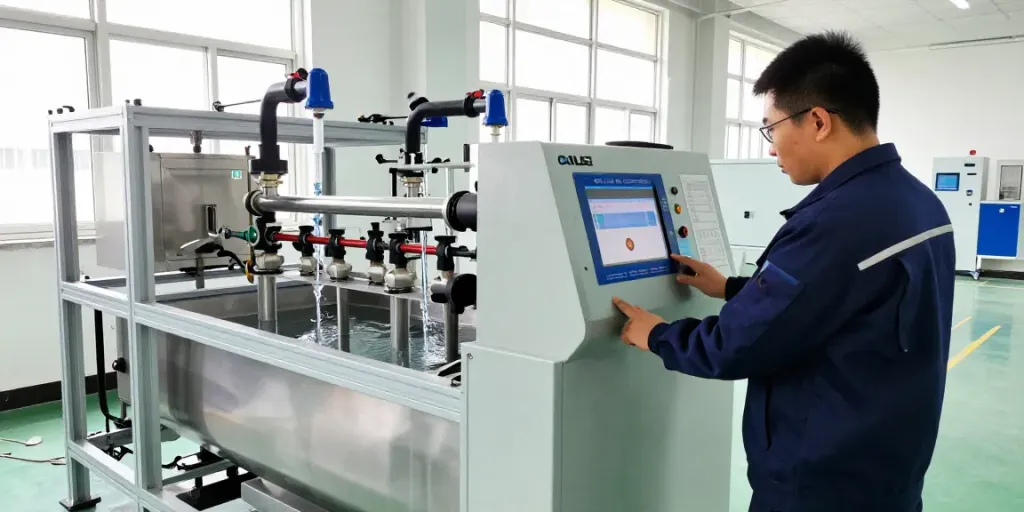
One of the most prominent applications of Integrated Modular Systems is in wastewater treatment. These systems can handle various wastewater types, effectively removing pollutants while maintaining high operational efficiency. For instance, QILEE's Integrated Membrane Water Treatment System is specifically designed to tackle wastewater characterized by high suspended solid concentrations, yielding treated water that meets stringent quality standards.
Sludge Management Techniques
Effective sludge management is vital for any water treatment operation. Integrated Modular Systems provide advanced sludge dewatering options that optimize the disposal and management of sludge byproducts. Techniques such as chemical conditioning and mechanical dewatering are integrated into the framework to streamline operations and ensure compliance with environmental regulations.
Industrial and Municipal Applications
Integrated Modular Systems have found a firm foothold in both industrial and municipal applications. Industries such as pharmaceuticals, food and beverage, and textiles benefit from customized solutions designed to meet specific water quality demands. Furthermore, municipalities employ these systems to enhance public health and environmental safety by ensuring clean, treated water is delivered to communities.
Core Benefits of QILEE's Integrated Modular Systems
QILEE's Integrated Modular Systems epitomize efficiency and effectiveness, offering a comprehensive range of water treatment solutions. Their systems are backed by extensive research and development, ensuring they meet the evolving needs of the water treatment industry.
Enhanced Operational Efficiency
Operational efficiency is one of the hallmark features of QILEE's Integrated Modular Systems. With streamlined processes and advanced automation, these systems can significantly reduce the manpower required for daily operations. Their modular design allows for quick adjustments and modifications, enabling operators to respond swiftly to varying water quality challenges.
Cost-Effectiveness and Scalability
Investing in Integrated Modular Systems can yield long-term savings for operators. With lower initial capital expenditures and reduced operational costs, these systems are designed for scalability. This means businesses can expand their operations without the need for extensive infrastructure investments, making them a wise choice for both small and large-scale projects.
Reliable Performance Metrics
Ensuring reliability in water treatment processes is critical for compliance and safety. QILEE's Integrated Modular Systems feature built-in monitoring capabilities that allow for real-time performance tracking. This data-driven approach enables operators to make informed decisions, ensuring consistent quality and adherence to regulatory guidelines.
Challenges and Solutions in Implementing Modular Systems
While Integrated Modular Systems offer numerous advantages, some challenges can arise during implementation. Understanding these challenges allows for proactive solutions to be developed.
Common Misconceptions about Modular Systems
One prevalent misconception is that modular systems lack the robustness of traditional setups. However, advancements in technology and design have ensured that these systems can meet or exceed performance requirements while providing flexibility and efficiency.
Technical Challenges and How to Overcome Them
Technical challenges, such as integration issues and compatibility with existing systems, may occur when adding modular components. These challenges can be mitigated through careful planning and assessment of existing infrastructures before implementation. Additionally, collaboration with experienced manufacturers like QILEE can provide valuable insights into best practices for successful integration.
Best Practices for Successful Integration
To ensure the successful integration of a modular system, it is crucial to conduct a thorough needs assessment, establish clear goals, and engage in continuous training for personnel. By following these best practices, operators can ensure that the modular system operates effectively and continues to meet evolving water treatment demands.
The Future of Integrated Modular Systems in 2026 and Beyond
The future of Integrated Modular Systems looks bright as technology continues to evolve, and the demand for sustainable water treatment solutions grows. Innovations in automation, data analytics, and sustainability practices will shape the landscape of water treatment in the coming years.
Emerging Trends in Water Treatment Technology
As we look ahead to 2026, several emerging trends are anticipated to impact Integrated Modular Systems:
- Increased Automation: More comprehensive automation solutions will enable greater efficiency and reliability in treatment operations.
- Smart Water Management: The integration of AI and data analytics into modular systems will enhance monitoring and decision-making processes.
- Sustainability Initiatives: Greater emphasis on sustainable practices will drive innovations in energy efficiency and waste minimization.
Predictions for Modular System Advancements
By 2026, it is expected that Integrated Modular Systems will become increasingly sophisticated, incorporating advanced treatment technologies like membrane bioreactors and advanced oxidation processes. These advancements will allow for more effective handling of challenging contaminants in wastewater.
How to Stay Ahead in the Industry
To remain competitive in the water treatment industry, stakeholders must stay informed about technological advancements and trends. Engaging with industry forums, participating in training sessions, and collaborating with leading manufacturers like QILEE will provide invaluable resources for navigating the future landscape of Integrated Modular Systems.
What is an example of a modular system?
One notable example of a modular system is the QILEE DAF Integrated Treatment System, which effectively combines chemical dosing with sludge dewatering capabilities to treat wastewater with unstable floc densities.
How much does a modular system cost?
The cost of a modular system varies based on its configuration, size, and specific features. However, due to their scalability and efficiency, they often represent a more cost-effective solution compared to traditional water treatment systems.
What is the difference between modular and integrated design?
Modular design focuses on creating distinct functional units that can be independently built and configured. In contrast, integrated design emphasizes the seamless combination of these functions into a cohesive system for improved efficiency and performance.
What are the benefits of integrated systems?
Integrated systems provide enhanced efficiency, reduced operational costs, and improved flexibility in responding to changing regulatory and operational demands.
How can integrated systems improve operational efficiency?
By simplifying processes, reducing downtime, and allowing for real-time monitoring, integrated systems can significantly enhance operational efficiency in water treatment facilities.