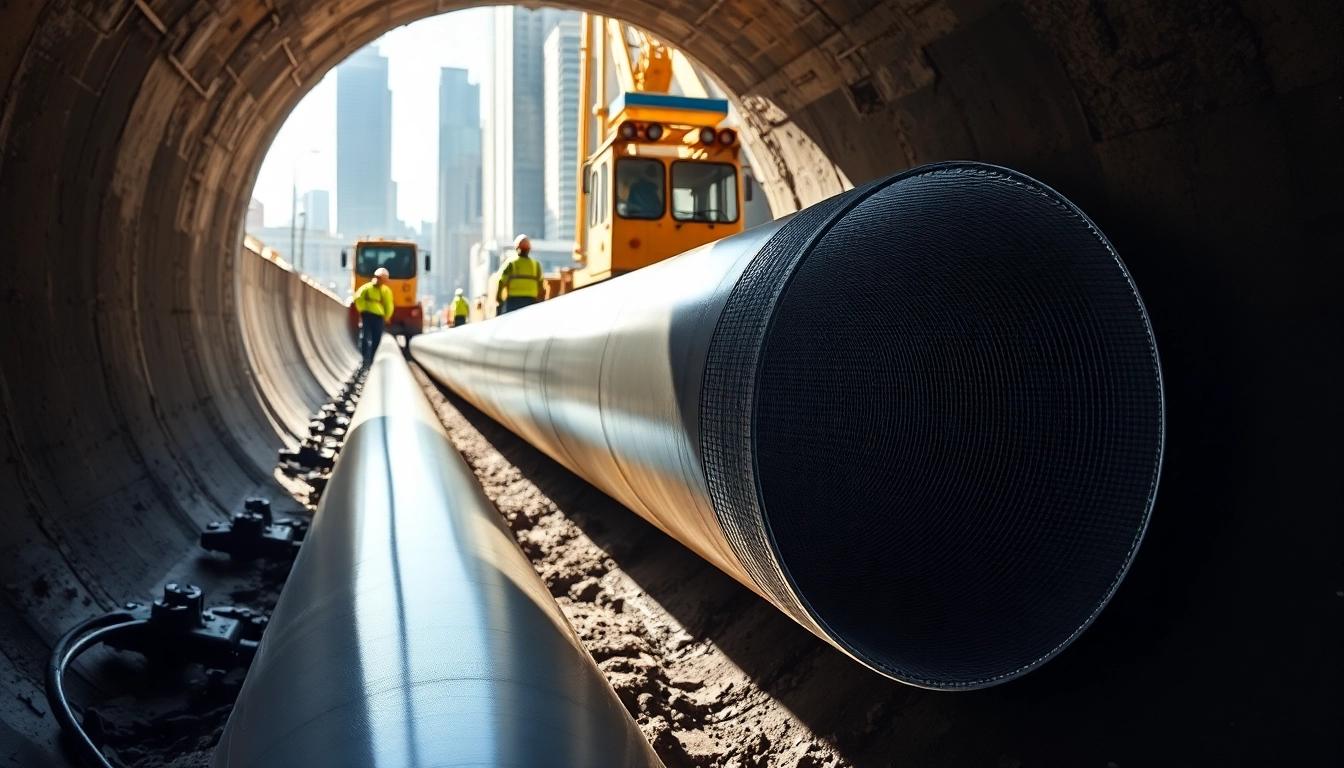
Understanding Pipeline Rehabilitation CIPP Liner
Pipeline rehabilitation is a crucial process to maintain and restore the functionality of aging infrastructure. One of the most effective methods is through the use of a Pipeline Rehabilitation CIPP Liner. This innovative technology allows for repairing damaged pipes without the need for extensive excavation, thus minimizing disruption and reducing costs. This article delves into the intricacies of CIPP lining, its benefits, challenges, and future trends, providing a comprehensive overview for industry professionals and property owners alike.
What is CIPP Lining?
Cured-in-Place Pipe (CIPP) lining is a trenchless technology used for the repair and rehabilitation of existing pipelines. It involves inserting a resin-saturated felt liner into a damaged pipe. Once in place, the liner is cured, typically using heat or UV light, which hardens the resin and forms a new structural pipe within the old one. CIPP lining is widely utilized for various types of pipelines, including sewer lines, storm drains, and water pipes, offering a durable and long-lasting solution to pipeline damage.
How CIPP Works in Pipeline Rehabilitation
The CIPP process begins with an assessment of the existing pipeline. Advanced inspection methods such as CCTV (closed-circuit television) video inspections are employed to identify blockages, cracks, and other deteriorations. Once the pipe's condition is determined, the following steps are taken:
- Cleaning: The pipe is thoroughly cleaned to remove debris, roots, and any other obstructions. This can involve hydrojetting, where high-pressure water is used to clear the pipe.
- Liner Installation: A flexible liner, saturated with a thermosetting resin, is pulled or inserted into the pipeline.
- Curing: Heat, steam, or UV light is applied to cure the resin, hardening it and bonding it to the existing pipe walls, thus restoring its structural integrity.
- Final Inspection: After curing, a final inspection is conducted to ensure that the rehabilitation process was successful and that the pipeline is now in a usable condition.
Benefits of Using Pipeline Rehabilitation CIPP Liner
The CIPP lining process offers numerous advantages over traditional pipe repair methods:
- Minimal Disruption: Since CIPP is a trenchless method, there is no need for extensive digging, which significantly reduces surface disruption and the associated costs.
- Durability: CIPP liners are typically made out of highly resistant materials that can extend the lifespan of pipelines by several decades.
- Cost-Effectiveness: While initial costs may seem high, the long-term savings in maintenance, reduced excavation costs, and the longevity of the repairs make CIPP a financially sound investment.
- Versatile Application: CIPP can be used for a variety of pipe materials and sizes, as well as in different environmental conditions, making it highly adaptable.
- Improved Flow Capacity: The smooth surface of the CIPP lining reduces friction and enhances the flow of liquids within the pipeline.
Common Challenges with CIPP Installation
Identifying Issues in Old Pipes
Before a CIPP lining can be installed, it's essential to accurately identify the issues present in the old pipes. This can sometimes be a challenge. Traditional inspection methods may not reveal all underlying issues, leading to surprise complications during installation. To mitigate this, employing advanced inspection technologies such as robotic cameras can help provide a more comprehensive assessment. Accurate assessments ensure that the correct lining solution is applied, thus increasing the success rate of the rehabilitation process.
Understanding the Curing Process
The curing process is one of the most critical steps in CIPP installation. It ensures that the resin solidifies correctly and bonds to the existing pipe. Curing methods include hot water, steam, and ultraviolet light, each with its own set of advantages and considerations. Understanding the environmental conditions and the materials involved is essential in selecting the appropriate curing method. Inadequate curing can lead to premature failure of the liner, which may result in substantial costs for repairs.
Addressing Environmental Concerns
As with any infrastructural rehabilitation, there are environmental concerns associated with CIPP. The chemicals used in the resin can pose potential environmental hazards if not handled properly. Therefore, it is crucial to work with certified contractors who comply with local regulations regarding hazardous materials. Additionally, ensuring proper ventilation during the curing process can help mitigate risks, promoting a safer working environment for installers and minimizing environmental impact.
Cost Analysis of Pipeline Rehabilitation CIPP Liner
Factors Influencing Installation Cost
The cost of installing a CIPP liner can vary significantly depending on several factors. Key considerations include: the size and length of the pipeline, the condition of the existing pipe, the type of resin used, the required curing method, and the location of the project. Moreover, geographic location can also influence labor costs and equipment availability. A detailed site assessment can help provide a more accurate cost estimate specific to the project at hand.
Comparative Cost with Other Rehabilitation Methods
When comparing CIPP to other rehabilitation methods such as sliplining or open-cut repair, it is essential to consider the total cost of ownership over time. While upfront costs for CIPP might be higher than other methods, the reduced maintenance needs, longevity of the repair, and minimized disruption costs typically result in CIPP being a more cost-effective solution in the long run. Evaluating total lifecycle costs can help decision-makers understand the most financially sound option for pipeline rehabilitation.
Long-term Savings from CIPP Liner Benefits
Investing in a CIPP liner can yield significant long-term savings, primarily due to reduced repair frequencies and lower maintenance costs. For example, the extended lifespan of the pipe means less frequent interruptions for repairs, which can save businesses valuable time and resources. Moreover, a properly installed and cured CIPP liner can significantly prevent costly leaks and failures, thus enhancing overall operational efficiency.
Choosing the Right CIPP Liner Contractor
Criteria for Selecting a Contractor
Choosing the right contractor for CIPP lining is pivotal for a successful rehabilitation project. Criteria to consider include:
- Experience: Look for contractors with a strong track record in CIPP projects, emphasizing their experience in similar types of pipe and issues.
- Certifications: Ensure the contractor holds the necessary licenses and certifications, reflecting their commitment to quality standards and regulatory compliance.
- Technology Utilization: The ability to utilize modern technology for pipe assessment and curing is crucial for optimal results.
Questions to Ask Before Hiring
Before committing to a contractor, asking the right questions can clarify their suitability for your project:
- What is your experience with CIPP lining?
- Can you provide references from previous projects?
- What types of curing methods do you use, and why?
- How will you handle unexpected issues during installation?
- What are your safety protocols during installations?
Evaluating Previous Projects and Experience
Reviewing a contractor's past projects is essential in understanding their capabilities. Request case studies or examples of similar projects they have undertaken, including specifics about the challenges faced and solutions implemented. A solid portfolio demonstrates reliability and the ability to manage complex projects successfully.
Future Trends in Pipeline Rehabilitation
Innovations in CIPP Technology
As technology evolves, the CIPP rehabilitation process is also advancing. Innovations such as smart liners equipped with sensors for real-time monitoring are emerging. These developments enable proactive maintenance, enhancing the reliability of the infrastructure over time. Notably, the continued shift towards sustainable materials in CIPP design aims to address environmental concerns while maintaining performance.
Regulatory Changes Impacting the Industry
Regulatory frameworks governing pipeline rehabilitation are continuously evolving, driven by the need for improved safety standards and environmental protections. Contractors and project managers must stay informed about these changes to ensure compliance and mitigate risks. Awareness of local regulations can impact material selection and project planning, enabling smoother project execution.
Sustainability in Pipeline Rehabilitation
With growing awareness surrounding sustainability, the CIPP lining process is adapting to incorporate eco-friendly materials and methods. For example, utilizing biodegradable resins or recycling used liners is becoming more common. Furthermore, implementing sustainable practices not only meets regulatory demands but also improves the public perception of pipeline rehabilitation efforts.
Frequently Asked Questions
What is the lifespan of a CIPP liner?
A properly installed CIPP liner can last 50 years or more, depending on conditions and usage.
How long does CIPP installation take?
The CIPP installation process generally takes a few hours to a few days, depending on the length and condition of the pipe.
Is CIPP lining safe for water supply pipes?
Yes, CIPP lining uses materials approved for water supply systems and is safe when installed correctly.
Can CIPP be used for all pipe materials?
CIPP can be used on various pipe materials, including PVC, concrete, and clay, making it highly versatile.
What are the signs that my pipes need rehabilitation?
Common signs include frequent clogs, leaks, slow drainage, and visible cracks or corrosion in the pipe.