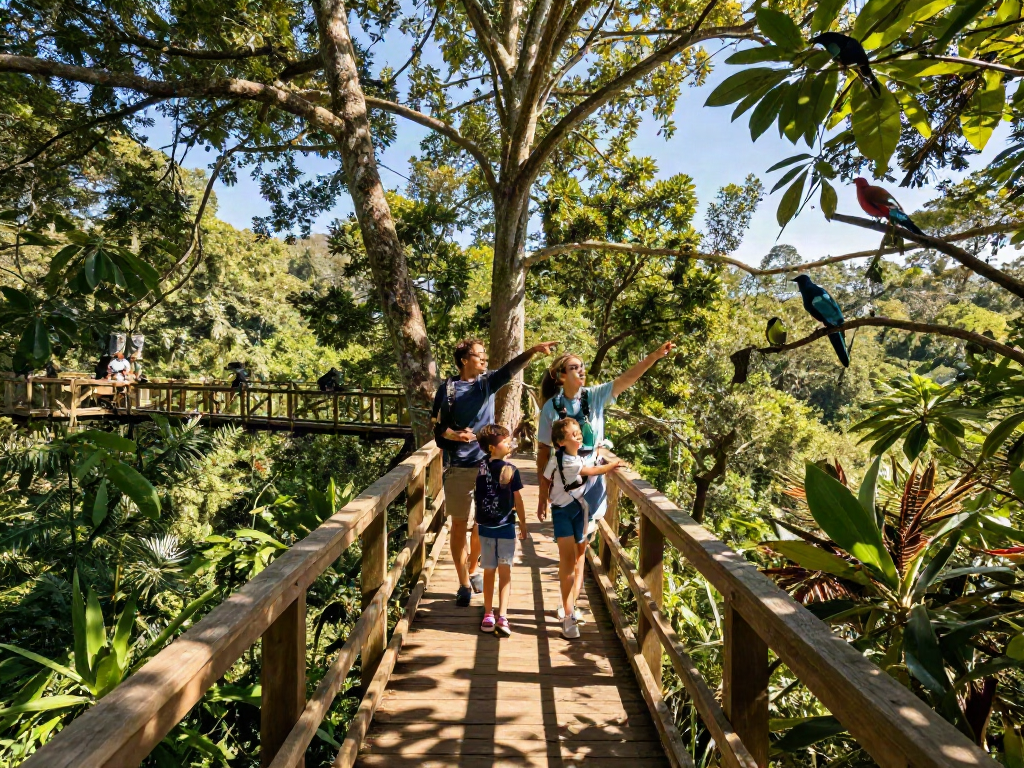
Understanding the Treetop Walkway Experience
Imagine walking amidst the treetops, surrounded by lush greenery and the sounds of nature. The experience of a Treetop Walkway offers visitors a unique perspective on the forest ecosystem. These elevated paths provide access to the canopy, allowing adventurers to engage with nature from an entirely new height. This guide explores the various aspects of treetop walkways, from their design features to planning your visit, safety measures, and their positive impact on the environment.
What is a Treetop Walkway?
A treetop walkway is an elevated pedestrian path designed to allow visitors to walk among the branches of trees, typically at heights between 10 and 30 meters above the ground. These structures are often constructed from a combination of wood and steel, providing both durability and aesthetic appeal. Treetop walkways vary significantly in design, but they all share a common goal: to connect people with nature while offering spectacular views of the surrounding landscape.
Key Features of Treetop Walkways
Some defining characteristics of treetop walkways include:
- Height: Most walkways offer stunning elevation, ranging from 10 to 70 feet, depending on the forest's characteristics.
- Scenic Views: The elevated position provides panoramic views of the landscape below, showcasing landscapes that might otherwise go unnoticed.
- Accessibility: Designed with accessibility in mind, many walkways feature ramps and wide paths to accommodate all visitors.
- Educational Components: Interpretative signage helps educate visitors about the local flora and fauna, fostering an appreciation for nature.
Who Can Enjoy the Experience?
Treetop walkways are suitable for a wide range of visitors, from families seeking a fun day out to nature enthusiasts and adventure seekers. Most walkways are designed to be accessible for all ages and backgrounds, making them an excellent outing for children, seniors, and everyone in between. However, some walkways may have restrictions regarding physical health or mobility, so it's important to check in advance.
Planning Your Visit to a Treetop Walkway
Best Locations for Treetop Walkways in 2026
Several treetop walkways around the world are gaining popularity, thanks to their stunning designs and immersive experiences. Here are some of the best locations to consider for your next adventure:
- Kew Gardens, London: Featuring a 18-meter high walkway that loops through the treetops in a stunning botanical setting.
- The Wild Center, USA: This walkway allows visitors to explore the Adirondack forest from above, with engaging installations along the path.
- Canopy Walkway, Ghana: Known for its role in conservation efforts, this walkway provides an incredible view of the West African rainforest.
- Valley of the Giants, Australia: Home to some of the tallest trees in the world, this walkway offers breathtaking views of the ancient forest.
What to Bring for an Enjoyable Walkway Experience
To ensure a great visit to any treetop walkway, consider packing the following essentials:
- Comfortable Footwear: Sturdy shoes with good grip are essential for safety and comfort.
- Water: Staying hydrated is crucial, especially on warmer days.
- Cameras or Binoculars: Capture the beautiful scenery or get a closer look at wildlife.
- Sunscreen and Bug Spray: Protect your skin from the sun and pesky insects.
Time of Year: Optimal Seasons for Visiting
The best time to visit a treetop walkway largely depends on your location. Generally, spring and fall are ideal, as temperatures are moderate, and foliage displays are visually stunning. In some regions, visiting during the autumn allows you to experience vibrant fall colours, while spring might offer blooming flowers and lively wildlife activity.
Safety Measures and Guidelines
Safety Protocols at Treetop Walkways
Visiting a treetop walkway can be a safe and enjoyable experience if you follow key safety guidelines:
- Follow the Rules: Always adhere to posted guidelines and instructions provided by staff.
- Stay on Designated Paths: Do not veer off the marked trails to protect both yourself and the environment.
- Be Mindful of Weather Conditions: Check weather forecasts prior to your visit; slippery surfaces can pose risks.
- Children Supervision: Keep an eye on young children, ensuring they stay within safe boundaries.
What to Expect During Your Visit
As you embark on your treetop journey, be prepared for a unique experience. Most walkways are designed for a leisurely pace, allowing you to take in the sights and sounds that surround you. Look forward to interactive exhibits, informative signage, and perhaps even guided tours that enhance your understanding of the ecosystem.
Addressing Common Safety Concerns
While the heights may seem daunting, treetop walkways are engineered with safety as a priority. They are constructed using robust materials and undergo regular maintenance checks to ensure structural integrity and visitor safety. Nonetheless, if you experience vertigo or have concerns about heights, consider discussing this with a member of the staff before proceeding.
Environmental Impact and Conservation
How Treetop Walkways Promote Eco-Tourism
Treetop walkways serve not only to provide stunning views but also as a significant tool in promoting eco-tourism. By drawing visitors into natural habitats, these structures encourage appreciation and awareness of environmental conservation. Visitors often leave with a greater respect for nature and a desire to support conservation efforts.
The Role of Canopy Walkways in Conservation Efforts
Canopy walkways contribute to conservation by serving as educational platforms. They highlight the importance of forests and biodiversity, fostering a sense of responsibility towards the environment. Many treetop walkways incorporate conservation initiatives, such as habitat restoration and wildlife protection, directly supported by visitor fees.
Understanding Local Flora and Fauna
One of the most enriching aspects of a treetop walkway is the opportunity to observe diverse ecosystems from above. Many walkways feature signage that helps visitors identify local plant species, tree types, and animal behaviours. This educational component can enhance your visit and spark interest in ecology and botany.
Future Trends in Treetop Walkway Design
Innovative Features to Expect in 2026 and Beyond
As the popularity of treetop walkways continues to grow, so do the innovations in their design. Future walkways are likely to incorporate unique features such as:
- Interactive Displays: Educational kiosks that provide augmented reality experiences.
- Sustainable Materials: Increased use of reclaimed wood and eco-friendly materials in construction.
- Art Installations: Integrating art into the natural environment for a unique aesthetic experience.
Integration of Technology in Treetop Walkways
Technology is set to play a crucial role in the evolution of treetop walkways. Expect to see more digital guides, QR codes linked to additional information about flora and fauna, and improved accessibility features that facilitate a seamless experience for all visitors.
Community Engagement: The Future of Treetop Walkways
As awareness of environmental issues continues to rise, community involvement will likely play a crucial role in the development of treetop walkways. Engaging local communities in the design and maintenance of these structures not only fosters pride but also ensures that walkways reflect local culture and biodiversity.
Is the Treetop Walkway Worth It?
For many, experiencing a treetop walkway is more than just a walk; it's an adventure that connects individuals with nature in profound ways. The investment in visiting a treetop walkway can yield unforgettable memories and a strengthened appreciation for our planet.
Where is the Treetop Walkway Located?
Treetop walkways can be found around the world, with some of the most notable located in botanical gardens, national parks, and nature reserves. Research beforehand to find the nearest walkway and plan your visit accordingly!
How Long is the Treetop Walk Trail?
The length of treetop walk trails can vary greatly. While some may offer short pathways of 200-300 meters, others can extend several kilometers, allowing for an immersive experience in the treetops. Always check the specific details of your chosen walkway to plan your adventure accordingly.