What is Pipeline Rehabilitation CIPP Liner?
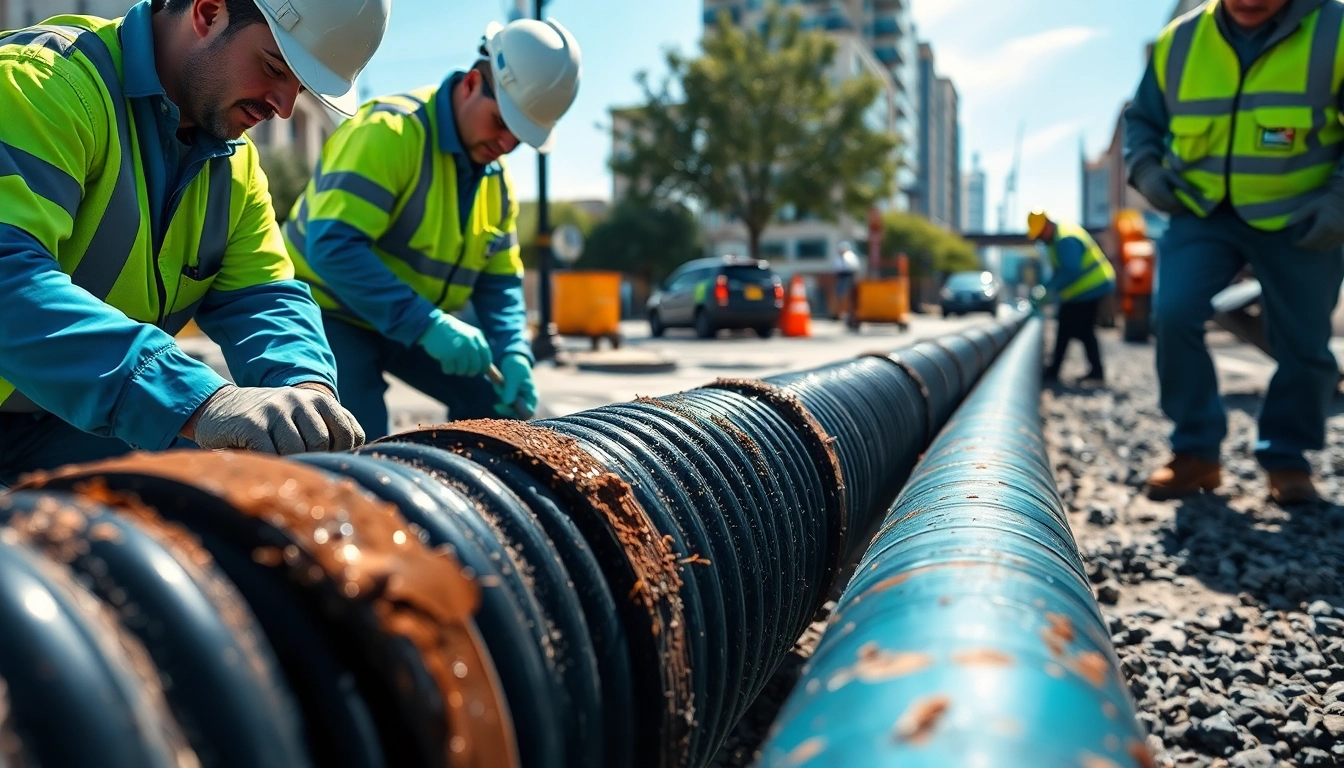
Pipeline rehabilitation using a Pipeline Rehabilitation CIPP Liner refers to a trenchless method specifically designed to repair and restore existing pipelines. Often regarded as a leading solution in the plumbing and pipeline maintenance industry, this technique involves the installation of a flexible liner coated with resin into a damaged or degraded pipe. The resin is then cured in place, allowing for immediate restoration of functionality without the need for extensive excavation or pipeline replacement.
Overview of CIPP Technology
Cured-in-Place Pipe (CIPP) technology has revolutionized the field of pipeline repair. Initially developed in the 1970s, CIPP involves utilizing a set of high-performance synthetic materials to create a new pipe within an existing one. The process begins with a thorough assessment of the damaged pipeline, often employing technologies like CCTV to inspect for cracks, leaks, and other issues. Once identified, the CIPP liner is inserted and then expanded using air or water pressure, allowing it to take the form of the damaged pipe. The final step involves curing the resin, typically using steam or ambient heat, ensuring solid adhesion within the existing structure.
Benefits of CIPP Liner Installation
The adoption of CIPP linings comes with numerous advantages. Firstly, the trenchless nature of the procedure minimizes disruption, eliminating the need for extensive excavation in properties or streets. This leads to significant reductions in labor and material costs compared to traditional repair methods, which often entail substantial digging. Additionally, the seamless nature of CIPP liners significantly enhances durability, reducing the likelihood of future leaks or breaks. Their capacity to last upwards of 50 years speaks volumes to their effectiveness, providing long-term financial benefits.
Common Applications of CIPP Rehabilitation
The versatility of CIPP technology allows it to be applied across a broad spectrum of scenarios. Common applications include:
- Sewer Lines: Effective for repairing deteriorated sewer pipes, reducing infiltration, and restoring flow characteristics.
- Stormwater Systems: Enhances the functionality of drainage systems while protecting the environment from leaks and overflows.
- Industrial Pipelines: Suitable for a range of industrial applications, from oil and gas to water treatment operations.
- Municipal Water Lines: Provides local authorities with a sustainable solution to aging water infrastructure.
The Process Behind CIPP Liner Installation
Preparation Steps for CIPP Installation
Before embarking on a CIPP installation, several preparatory steps must be taken. This includes a comprehensive inspection using CCTV to ascertain the pipe's condition, identifying blockages, and determining the environmental conditions in which the installation will occur. Proper cleaning of the pipeline is also crucial, as the liner’s performance heavily relies on a clean surface, free from debris, grease, or scale. Hydro jetting is often employed for this purpose, effectively removing any obstructions without causing damage to the existing pipeline.
Installation Techniques and Procedures
Following the preparatory steps, the installation process kicks off with the insertion of the liner. Two primary techniques are commonly utilized: inversion and pulling. Inversion involves feeding the liner into the pipe and expanding it using a controlled flow of water or air, ensuring even distribution across the internal surface. Conversely, the pull-in method involves a pre-wetted liner being pulled through the pipe, thereby forming a tight seal as it goes. This method is particularly effective for longer distances where maintaining liner integrity is crucial.
Curing Methods: Traditional and Advanced
The curing process solidifies the bond between the liner and the existing pipe. Traditional methods use steam to heat the resin, significantly accelerating its curing time. However, advancements in technology have introduced alternative methods, such as UV curing, which utilizes ultraviolet light to harden the resin instantly. This modern technique not only reduces installation time but also minimizes carbon emissions, aligning with the increasing push toward more eco-friendly construction practices.
Cost Considerations for Pipeline Rehabilitation CIPP Liner
Factors Influencing CIPP Installation Costs
Several factors can affect the cost of installing a CIPP liner. These include the diameter of the pipe, the extent of the damage, access to the installation site, and regional labor rates. For instance, urban areas may experience higher labor costs due to confined working conditions and the need for obtaining permits. Furthermore, the presence of existing utilities and the necessity for site restorations can also contribute significantly to overall expenses.
Average Pricing for CIPP Projects
On average, the cost of a CIPP lining project can range between $100 to $250 per linear foot. However, this can vary widely based on initial assessments and specific project requirements. The installation of larger pipes or those requiring complex maneuvering may drive costs even higher. Owners considering this method should also factor in potential costs for pre-installation inspections and cleaning.
Value Comparison with Other Methods
When comparing the cost-effectiveness of CIPP with traditional excavation methods, the advantages become evident. Standard repair practices often result in significant surface disruption and, invariably, higher restoration costs post-repair. In contrast, CIPP lining typically incurs lower overall expenditures, factoring in its minimal surface disruption and longevity—often making it a more desirable option for municipalities and property owners alike seeking sustainable solutions.
Challenges in Pipeline Rehabilitation with CIPP Liner
Common Issues Faced During Installation
While CIPP technology offers numerous benefits, challenges certainly accompany its implementation. Common issues include variations in lining length due to misalignment or obstructions within the existing pipeline that may disrupt the curing process. Additionally, mismatched curing temperatures can lead to insufficient bonding, potentially compromising the system's integrity.
Limitations of CIPP Technology
CIPP is not without its limitations. For instance, it can struggle with severely collapsed pipes or those with extreme offsets. Furthermore, specific soil conditions might complicate the installation process, requiring tailored strategies to be successful. Understanding these limitations is paramount for contractors and clients alike to ensure expectations are realistic and achievable.
Mitigation Strategies for CIPP Challenges
To effectively mitigate challenges encountered during the CIPP lining process, preparatory measures are essential. Thorough pre-inspection using advanced technologies aims to identify potential issues before installation. Engaging experienced contractors familiar with local conditions can also improve project outcomes. In cases of severe line collapses, supplementary methods like point repairs or combinations with other rehabilitation technologies might be warranted to ensure complete success.
Future of Pipeline Rehabilitation Technologies
Innovations in CIPP Liner Materials
The landscape of pipeline rehabilitation is continuously evolving. Innovations in CIPP materials, such as the development of bio-based resins and enhanced fiber reinforcement, promise to increase the durability and environmental friendliness of liners. Enhanced performance metrics could emerge from these advancements, further solidifying CIPP as a leading method for pipe rehabilitation.
Sustainability Initiatives in Pipeline Rehabilitation
As environmental concerns grow, the push for sustainable practices in pipeline repair is gaining traction. CIPP technology aligns with those objectives, focusing on methods with a minimal ecological footprint. Using recyclable materials and other green technologies can cultivate greater acceptance of trenchless rehabilitation methods and ultimately streamline costs while promoting environmental sustainability.
Trends and Predictions for the Industry
The trenchless rehabilitation industry is poised for substantial growth in conjunction with increased awareness of infrastructural needs worldwide. As aging pipelines require modernization and municipalities seek avenues to reduce disruption, pipelines are expected to become the fabric of urban renewal strategies. Ultimately, leveraging smarter technologies, advancing sustainable practices, and enhancing the performance of CIPP systems will forecast a brighter future for pipeline rehabilitation.
Frequently Asked Questions
What is a CIPP liner?
A CIPP liner is a flexible tube coated with resin used to rehabilitate damaged pipelines without excavation. It is inserted, expanded, and cured in place to create a new pipe within the existing one.
How long does CIPP lining last?
CIPP liners can last over 50 years when properly installed. Their durability reduces the potential for leaks and future repairs, providing long-term value.
Is CIPP installation disruptive?
Compared to traditional methods, CIPP is minimally disruptive. The trenchless method allows for repairs without extensive excavation, making it ideal for urban and residential settings.
Can CIPP be used for all pipe types?
CIPP is highly versatile and can be applied to various pipe materials, including PVC, clay, concrete, and cast iron. However, severely damaged pipes may require other solutions.
What are the costs of CIPP lining?
The cost of CIPP lining typically ranges from $100 to $250 per linear foot. Factors such as pipe condition and size affect overall pricing, so assessments are essential.