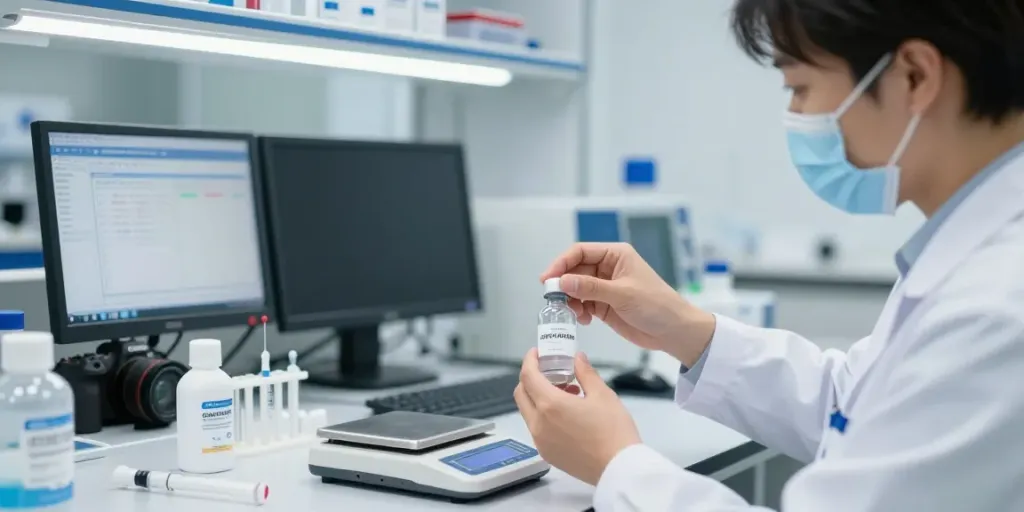
What is Astaxanthin Made From?
Astaxanthin is a powerful antioxidant and a carotenoid pigment that plays an essential role in the health and coloration of various marine organisms. This vibrant red pigment is primarily derived from microalgae, particularly Haematococcus pluvialis, alongside certain yeast strains and even some bacteria. Understanding what is astaxanthin made from helps illuminate the sources and production methods, which can influence the quality and efficacy of astaxanthin supplements.
Overview of Sources
The most common source of astaxanthin is the green microalgae Haematococcus pluvialis. This organism can produce astaxanthin in large quantities when exposed to stress factors like high light intensity or nutrient deprivation. Additionally, astaxanthin can also be obtained from the yeast species Phaffia rhodozyma. While these natural sources provide high-quality astaxanthin, synthetic variants also exist, typically produced through chemical synthesis, but they may not possess the same health benefits as their natural counterparts.
Natural vs. Synthetic Astaxanthin
The distinction between natural and synthetic astaxanthin is crucial for consumers seeking health supplements. Natural astaxanthin, derived from microalgae or yeast, often remains in high demand due to its bioavailability and potent health benefits. This form contains unique antioxidant qualities and additional nutrients that synthetic versions often lack. Synthetic astaxanthin, while potentially cheaper to produce, may not provide the same level of effectiveness and could include undesired chemicals. It’s therefore advisable for consumers to scrutinize labels and opt for products from reputable sources.
Factors Affecting Quality
Several factors influence the quality of astaxanthin supplements. The source of astaxanthin, extraction methods, and processing conditions all play integral roles in determining its purity and potency. Higher quality astaxanthin usually comes from organisms grown in optimal environments, free from pollutants and excess chemical exposure. Additionally, the processing technology employed during extraction can affect the bioavailability and efficacy of the final product. As a consumer, it is vital to choose brands that are transparent about their sourcing and manufacturing practices.
Health Benefits of Astaxanthin
Astaxanthin is noted for its health benefits primarily due to its robust antioxidant properties. This section delves deeper into how astaxanthin can have a significant impact on various health aspects, from skin health to eye health.
Antioxidant Properties
Astaxanthin is recognized as one of the most potent antioxidants found in nature, surpassing many other carotenoids and vitamins in terms of radical scavenging ability. It works by neutralizing free radicals and reducing oxidative stress, which is linked to a myriad of chronic diseases. Studies indicate that its antioxidant mechanisms may also contribute to reducing inflammation and enhancing overall cellular health, potentially lowering the risk of conditions such as heart disease and diabetes.
Impact on Skin Health
Astaxanthin's application in skincare is gaining recognition due to its ability to protect skin cells from oxidative damage caused by UV rays and environmental pollutants. Research shows that astaxanthin can improve skin elasticity, hydration, and texture. Furthermore, its anti-inflammatory properties assist in reducing the appearance of fine lines and wrinkles, thus promoting a youthful complexion. As a result, astaxanthin is increasingly being formulated into topical skincare products.
Benefits for Eye Health
The eyes are particularly susceptible to oxidative damage, and astaxanthin may offer protective effects against age-related macular degeneration (AMD) and other vision-related issues. Studies suggest that astaxanthin can improve ocular blood flow and enhance the elasticity of blood vessels in the retina, providing a comprehensive protective effect. Supplementing with astaxanthin could potentially lead to better visual acuity and a decreased risk of age-related eye diseases.
How is Astaxanthin Extracted?
Understanding the extraction process of astaxanthin is essential for assessing the quality and efficacy of the supplements available in the market. This section provides an in-depth look at the various methods used to extract this valuable carotenoid.
Extraction Methods
The extraction of astaxanthin typically employs various methods, including solvent extraction, supercritical fluid extraction (SFE), and cold press extraction.
- Solvent Extraction: This method involves using organic solvents like ethanol, hexane, or acetone to dissolve the astaxanthin from the algal biomass. However, care must be taken to ensure solvent residues are minimized for purity.
- Supercritical Fluid Extraction: Regarded as the most efficient and eco-friendly method, SFE uses supercritical carbon dioxide as a solvent, preserving the delicate astaxanthin structure and enhancing its purity.
- Cold Press Extraction: This method mechanically presses the algae to extract astaxanthin while maintaining its antioxidant properties. Though less common, it's ideal for preserving heat-sensitive compounds.
Processing Techniques
Post-extraction processing techniques also play a crucial role in the final quality of astaxanthin. Techniques like filtration, purification, and concentration are essential to remove impurities and yield a potent product. Additionally, encapsulation technologies can protect astaxanthin from degradation during storage, thus prolonging shelf life while enhancing bioavailability when consumed.
Preservation of Nutritional Value
Preserving the nutritional value of astaxanthin throughout the extraction and processing phases is vital. Factors like light, heat, and oxygen can degrade astaxanthin, thereby diminishing its effectiveness. Utilizing low-temperature extraction methods and storing the final product in opaque, airtight containers can significantly enhance the longevity of astaxanthin's health benefits.
Usage and Recommended Dosages
Understanding the correct usage and dosage of astaxanthin is vital to harness its full benefits safely and effectively. This section will outline the recommended formats for supplementation, dosage guidelines, and potential side effects.
Supplement Formats
Astaxanthin is widely available in various formats, including soft gels, capsules, powders, and topical formulations. Soft gels and capsules are the most common for dietary supplementation as they provide a concentrated dose. Powders can be easily integrated into smoothies or foods, while topical formulations are used for skincare benefits. Selecting a format should depend on individual preferences and lifestyle.
Safe Dosage Guidelines
Recommended dosages for astaxanthin can vary based on individual health concerns and product formulations. Typically, doses of 4 to 12 mg per day are effective for general health benefits. However, for specific conditions, such as eye health or recovery from exercise, higher dosages may be recommended under medical supervision. Always consult with a healthcare professional before starting any supplementation regimen.
Potential Side Effects
Astaxanthin is generally well-tolerated, with few reported side effects. Some individuals may experience mild digestive discomfort, including bloating or diarrhea. Additionally, high doses can cause a temporary change in skin color (a harmless reddish hue). As with any supplement, pre-existing health conditions or medications should be considered, and it's advisable to consult healthcare providers prior to use.
Frequently Asked Questions
What is astaxanthin made from?
Astaxanthin is primarily made from microalgae, particularly Haematococcus pluvialis, and certain yeast strains like Phaffia rhodozyma. It may also be produced synthetically.
Is astaxanthin safe for everyone?
Astaxanthin is generally safe for most people, but those with specific health conditions or on certain medications should consult a healthcare provider before use.
How should astaxanthin supplements be taken?
Astaxanthin supplements can be taken in the form of soft gels, capsules, or powders, usually with meals for better absorption. Follow manufacturer instructions for dosage.
What are the best sources of natural astaxanthin?
The best sources are microalgae, particularly Haematococcus pluvialis, and yeast like Phaffia rhodozyma. These sources provide high-quality, bioavailable astaxanthin.
Can astaxanthin supplements interact with medications?
Astaxanthin may interact with blood thinners or medications affecting blood sugar. It's important to consult a healthcare professional before starting supplementation if you are on medications.