A Brief Introduction to Australia
Australia, the world’s smallest continent and sixth-largest country by total area, is a land of striking contrasts and diverse landscapes. This island nation is bordered by the Indian and Pacific Oceans, providing it with breathtaking coastlines and unique ecological systems. Home to over 25 million people, Australia is renowned for its vibrant culture, stunning geography, and robust economy. This article delves into various aspects of Australia, ranging from its geographical features and cultural diversity to its economic framework and education systems.
Geographical Overview of Australia
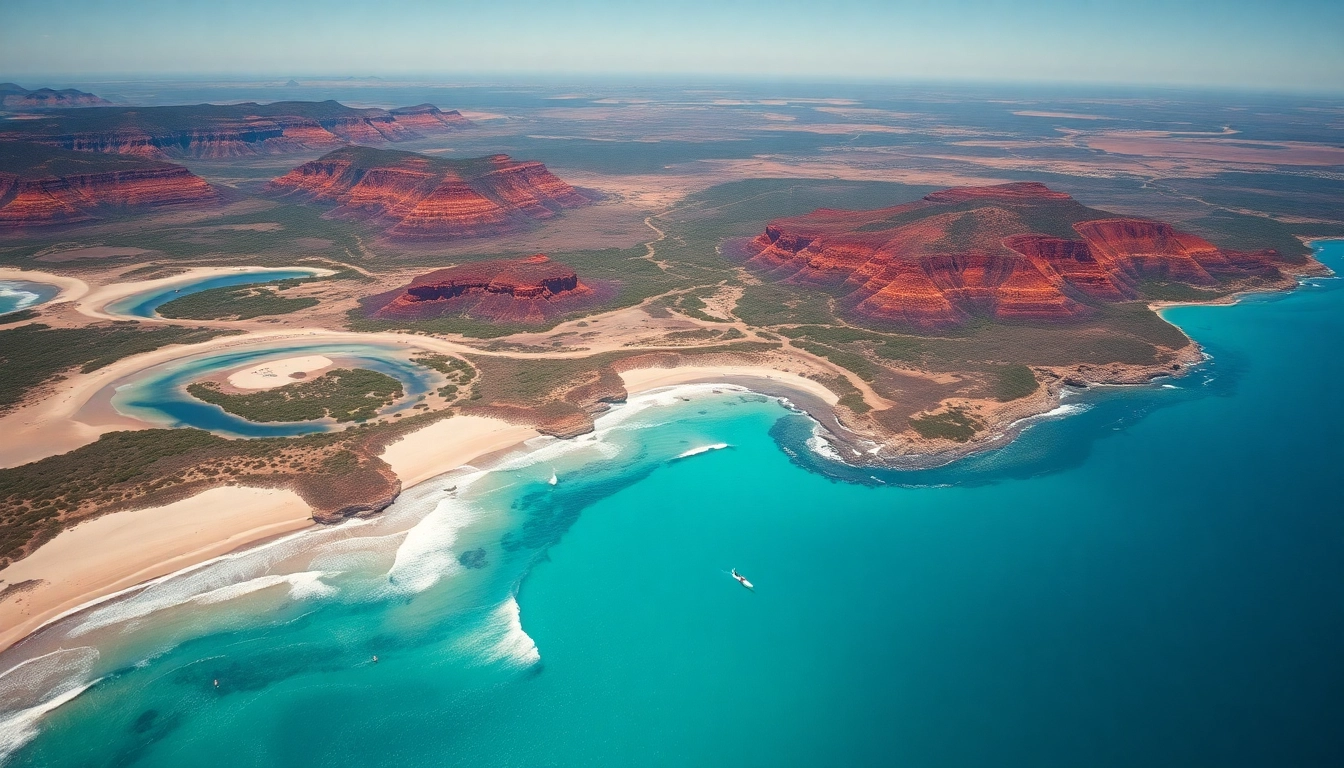
Australia is a country located in the Southern Hemisphere, characterized by its vast size—approximately 7.7 million square kilometers. It has a range of geographical features including the iconic Outback, which is known for its arid deserts, the Great Barrier Reef, the largest coral reef system in the world, and fertile coastal regions that support agriculture and urban life. The country comprises six states: New South Wales, Queensland, South Australia, Tasmania, Victoria, and Western Australia, alongside two territories: the Australian Capital Territory and the Northern Territory.
Climate and Regions of Australia
Australia experiences a variety of climate types, influenced largely by its vast size. The northern regions enjoy a tropical climate, while southern areas experience temperate weather. The interior has a semi-arid climate, leading to some of the driest regions on earth. While the wet season in the north brings monsoonal rains, southern areas experience milder winters and warm summers. This climatic diversity impacts not only the natural environment but also the lifestyle and activities available to Australians. Whether it’s enjoying a beach day in Sydney during summer or skiing in the Australian Alps during winter, the climate shapes daily life in profound ways.
Cultural Diversity in Australia
Cultural diversity is a hallmark of Australian society. Home to a mix of Indigenous cultures and modern-day immigrants, the country showcases a rich tapestry of traditions, arts, languages, and culinary experiences. The Aboriginal and Torres Strait Islander peoples represent the world’s oldest continuous cultures, contributing significantly to Australia’s heritage with their rich storytelling traditions, art, and connection to the land. As a multicultural nation, Australia also celebrates festivals from various cultures, introduces international cuisine, and promotes inclusivity through social policies and community programs.
Tourism Highlights in Australia
Tourism plays a significant role in the Australian economy, attracting millions of visitors annually. From natural wonders to vibrant urban experiences, Australia offers an array of attractions that cater to diverse interests.
Top Destinations to Visit in Australia
Australia boasts an impressive list of travel destinations. Sydney, famous for its iconic Opera House and Harbour Bridge, is a must-visit urban hub. The Great Barrier Reef invites divers and snorkelers from around the globe, while the ancient landscapes of Uluru (Ayers Rock) are perfect for cultural experiences and exploration. Melbourne stands out for its vibrant arts scene and coffee culture, whereas the tropical adventures of Cairns and the picturesque beaches of the Gold Coast attract sun-seekers. Each destination offers unique attractions, suited for adventure, relaxation, or cultural enlightenment.
Adventure Activities Across Australia
For adventure enthusiasts, Australia presents thrilling activities. Surfing the waves at Bondi Beach, hiking through Tasmania’s pristine wilderness, or diving in the coral reefs are just a few over the extensive offerings. For the more adventurous, road-tripping along the Great Ocean Road or camping in national parks allows for immersive experiences in stunning natural surroundings. Australia caters to thrill-seekers with opportunities ranging from skydiving in Queensland to rock climbing in the Blue Mountains, making it an ideal playground for adventure lovers.
Important Travel Tips for Australia
Traveling to Australia can be an exciting experience. However, there are key travel tips to consider to enhance the adventure. Always check visa requirements for entry, as regulations can vary depending on nationality. Additionally, Australia spans multiple time zones, so adjusting to local time may be necessary. Considering the wild and unpredictable climate, it’s wise to pack versatile clothing appropriate for various weather conditions. Lastly, familiarize yourself with local customs, wildlife safety, and transportation options, ensuring a smooth and enjoyable visit.
Understanding Australia's Economy
Australia is recognized as one of the wealthiest nations, boasting a robust economy driven by trade, service sectors, and natural resources.
Key Industries in Australia
The Australian economy is highly diverse, with key industries including mining, agriculture, manufacturing, and professional services. Mining has historically been a cornerstone of the economy, especially with resources like coal, iron ore, and natural gas. The agriculture sector contributes significantly, with key exports including beef, wheat, and wine. The recent rise in technology and digital services demonstrates Australia's strengthening competitiveness in the global market. Tourism also plays a critical role, contributing more than $60 billion per year to the economy.
Cost of Living in Australia
The cost of living in Australia varies considerably depending on the region. Major cities such as Sydney and Melbourne tend to have higher living costs, with housing, utilities, and daily expenses significantly impacting budgets. In contrast, smaller cities or rural areas may offer more affordable living options. It’s essential for newcomers to understand these variations to manage finances effectively, ensuring an adequate lifestyle while adapting to local conditions.
Job Market Overview in Australia
The job market in Australia is generally robust, with growth observed in sectors like healthcare, education, technology, and construction. Skilled labor shortages in these sectors have led to various visa options for international workers. The unemployment rate has remained relatively low, reflecting a stable economy. Networking and professional development play critical roles in navigating the job market, with upward mobility often tied to educational qualifications and experience.
Education and Research in Australia
Australia is renowned for its quality education system, attracting international students and researchers worldwide.
Higher Education Institutions in Australia
Australia hosts some of the world’s top universities, including the University of Melbourne, Australian National University, and the University of Sydney. These institutions offer a range of undergraduate, postgraduate, and vocational programs, with a focus on research and innovation. Many universities have established partnerships with global entities, enhancing the internationalization of their programs and increasing opportunities for students to study abroad.
Research Opportunities in Australia
Australia is at the forefront of groundbreaking research across various fields, including medicine, technology, and environmental science. Government funding and private sector investment foster innovation, leading to advancements that have global impacts. Institutions encourage collaboration between researchers, industry, and government, creating a synergistic environment that pushes forward the boundaries of knowledge. Moreover, initiatives aimed at supporting early-career researchers and students are prevalent, ensuring continued investment in future generations.
International Student Experience in Australia
For international students, studying in Australia presents both unique challenges and enriching experiences. Universities typically offer comprehensive support services catering to international students, including orientation programs, academic assistance, and cultural integration activities. The ability to work while studying also enhances the experience, allowing students to gain local work experience while understanding Australian culture. With a diverse student population, friendships and networking opportunities abound, creating a lasting impact beyond the academic realm.
FAQs about Australia
What is the capital of Australia?
The capital of Australia is Canberra, located in the Australian Capital Territory (ACT). It was purpose-built to be the country's capital in 1913.
What languages are spoken in Australia?
The official language is English, but Australia is a multicultural society with over 300 languages spoken due to its diverse population and immigrant communities.
What is the currency used in Australia?
The currency used in Australia is the Australian Dollar (AUD), which is denoted by the symbol '$'.
What are some popular foods in Australia?
Australian cuisine features dishes such as Vegemite on toast, meat pies, lamingtons, and pavlova, showcasing diverse culinary influences.
Is Australia safe for tourists?
Australia is generally considered safe for tourists, with low crime rates and a strong health infrastructure. However, standard travel precautions are recommended.